For years, the global bathroom industry operated under a singular, sterile commandment: thou shalt be white. Clinical porcelain, stark chrome, and fluorescent lighting reigned supreme, creating spaces that were undeniably hygienic but emotionally barren. However, a quiet revolution is underway in the world’s leading design studios, one that places emotional well-being and sensory richness at the very heart of interior architecture. Color psychologists and trend forecasters are now in unanimous agreement: the bathroom of 2026 is no longer a laboratory; it is a sanctuary of color, texture, and warmth. And at the epicenter of this chromatic shift sits the Modern Floating Bathroom Vanity, a piece of furniture that has evolved from a simple utility fixture into the primary mood-setter for the entire room.
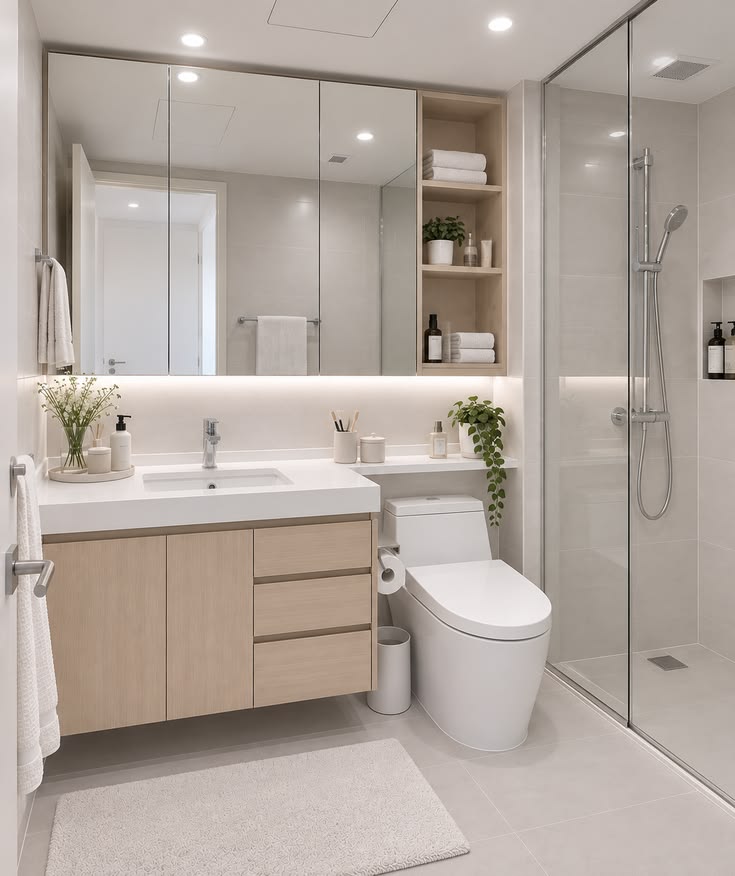
The driving force behind this transformation is the science of color psychology. Research consistently demonstrates that the colors surrounding us directly influence our nervous system, heart rate, and stress levels. The cold, institutional whites of the past often triggered feelings of anxiety and detachment. In contrast, the warm, earthy palette now dominating high-end bathroom design—soft sage greens, muted terracotta, rich walnut browns, and creamy off-whites—activates the parasympathetic nervous system, promoting relaxation and a sense of groundedness. The Modern Floating Bathroom Vanity has become the perfect canvas for these therapeutic hues. Its expansive drawer fronts offer a generous surface area for applying these calming tones, while its suspended, airy form prevents the color from becoming visually oppressive. A vanity finished in natural white oak or warm ash, for instance, brings an immediate sense of organic warmth to even the smallest powder room, transforming a utilitarian corner into a welcoming retreat.
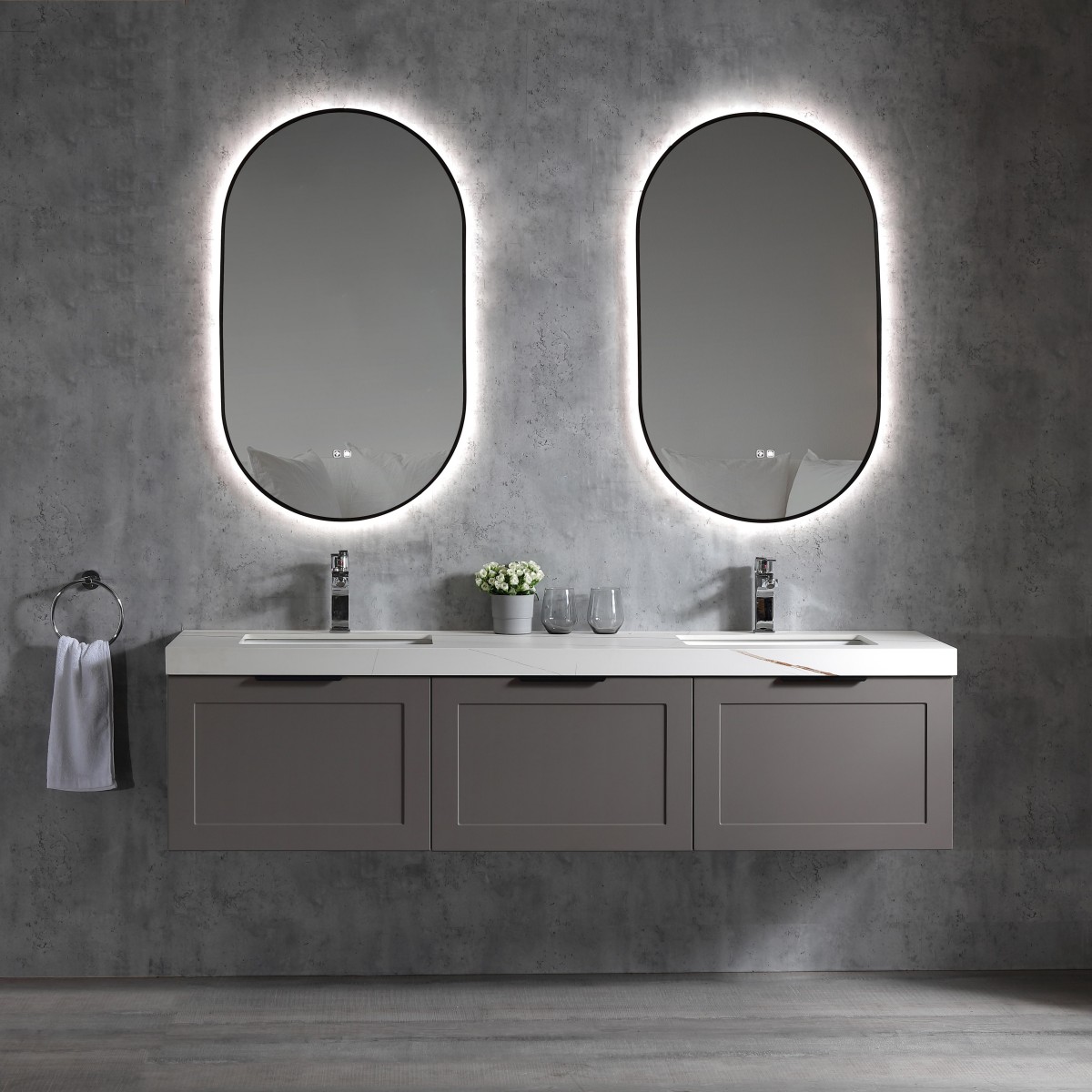
The 2026 finish trends are also embracing texture as a form of color. Matte finishes are decisively outperforming high-gloss lacquers in the premium segment. A matte, water-based lacquer on a floating cabinet absorbs light softly, creating a velvety, tactile surface that invites touch. This is a deliberate departure from the slick, reflective surfaces of the past, which often felt cold and impersonal. Designers are pairing the Modern Floating Bathroom Vanity with handcrafted ceramic basins that feature subtle, irregular glazes, and matte-black or brushed-brass faucets that patina beautifully over time. The interplay of these textures—smooth ceramic against grained wood, matte metal against soft lacquer—creates a rich sensory experience that engages not just the eyes, but the fingertips. This multi-sensory approach is particularly appealing to the millennial and Gen Z demographics, who prioritize authenticity and tactile connection in their living environments.
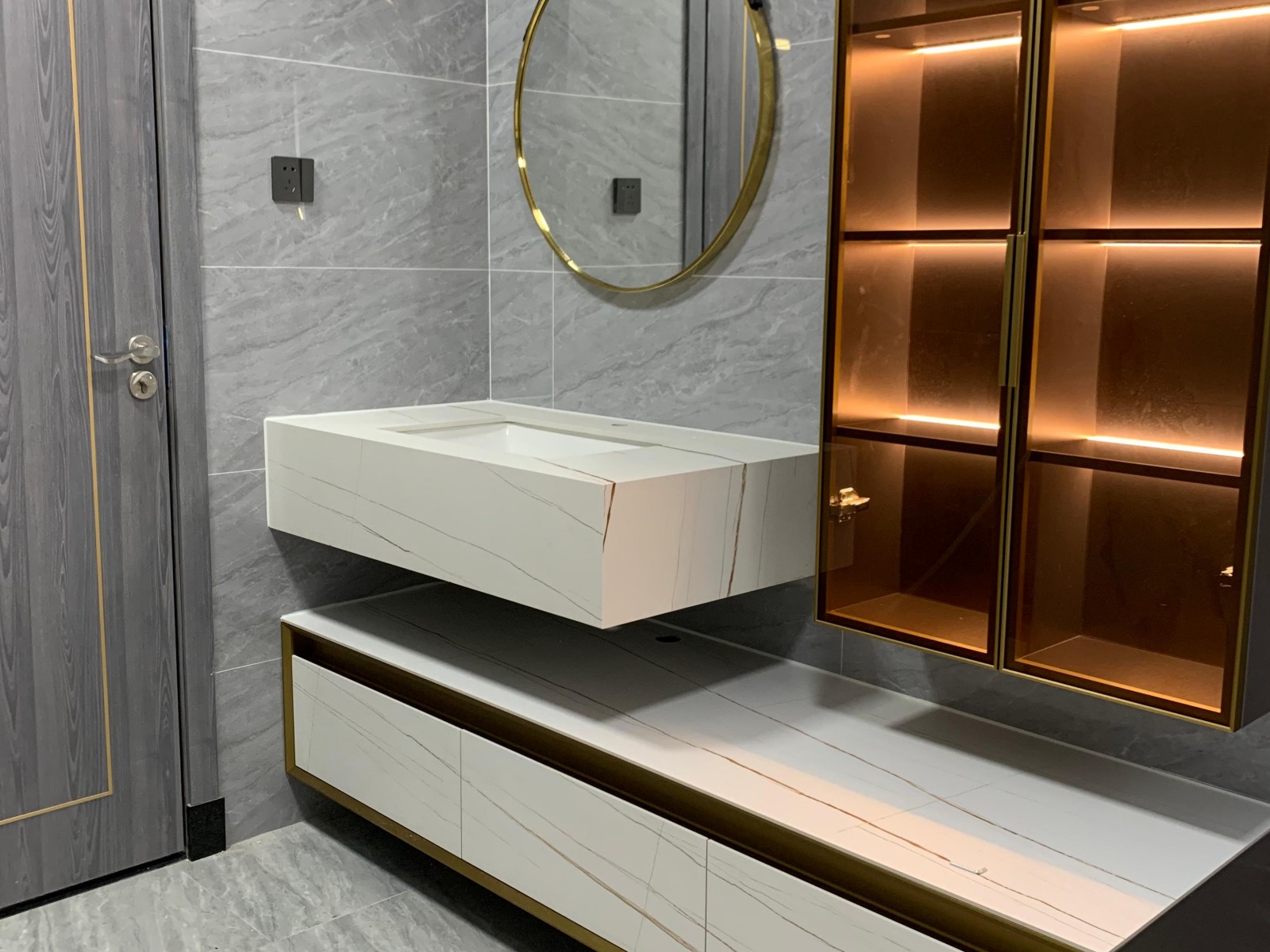
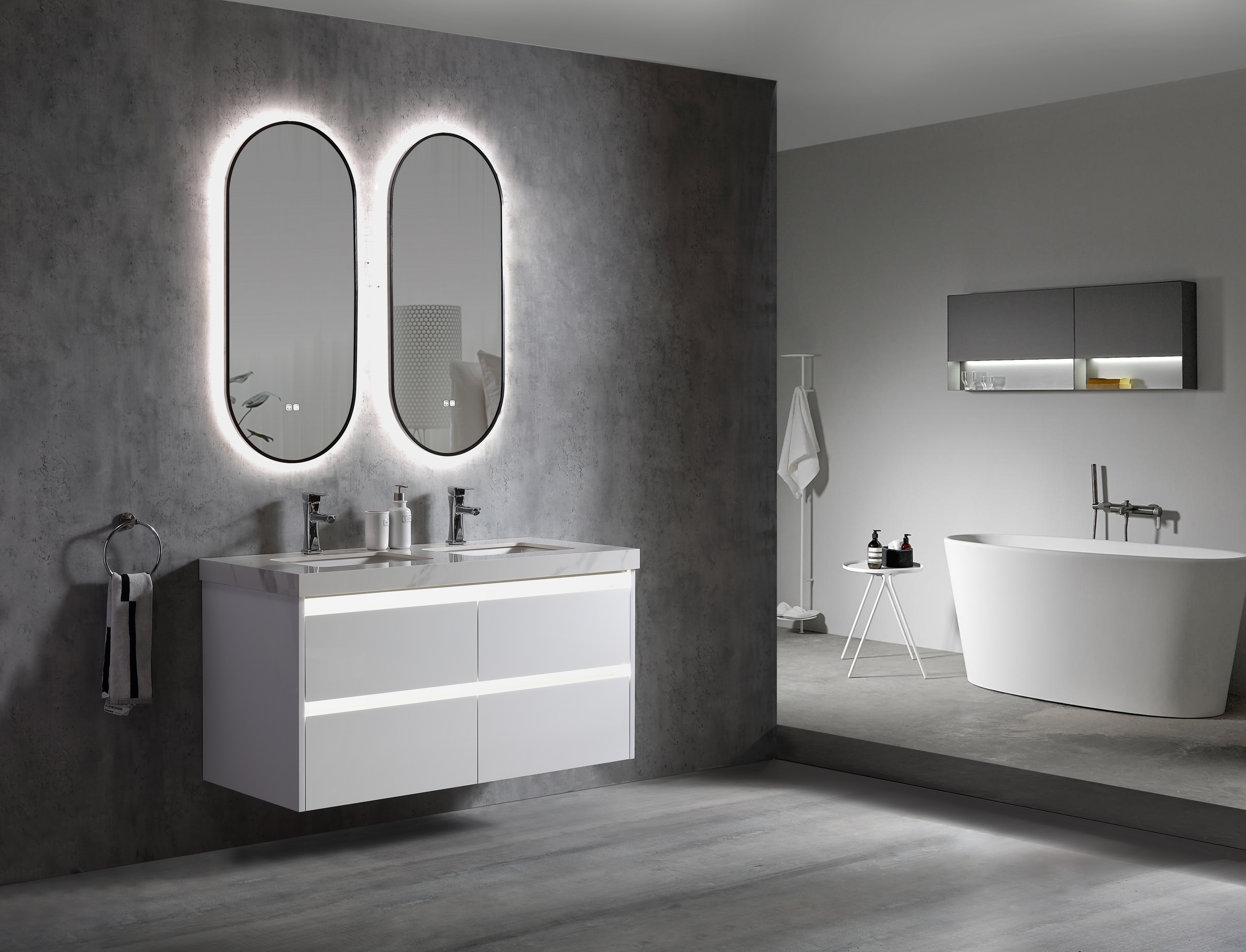
Lighting plays a critical, symbiotic role in this new color-driven design language. The days of a single, harsh overhead bulb are long gone. Today’s bathrooms feature layered lighting schemes: a large, frameless circular mirror with integrated warm-white LED strips, ambient floor-level lighting beneath the floating cabinet, and natural sunlight streaming through sheer window treatments. When warm light strikes the Modern Floating Bathroom Vanity, the natural grain of the wood comes alive, casting intricate, dancing shadows across the neutral-toned walls. Designers are now using this phenomenon to create what is known as “living color”—a hue that shifts subtly throughout the day, from the crisp brightness of morning to the golden warmth of dusk. This dynamic interplay transforms the bathroom into an ever-evolving canvas, reducing the need for artificial color accents and promoting a deeper connection to the natural rhythms of the day.
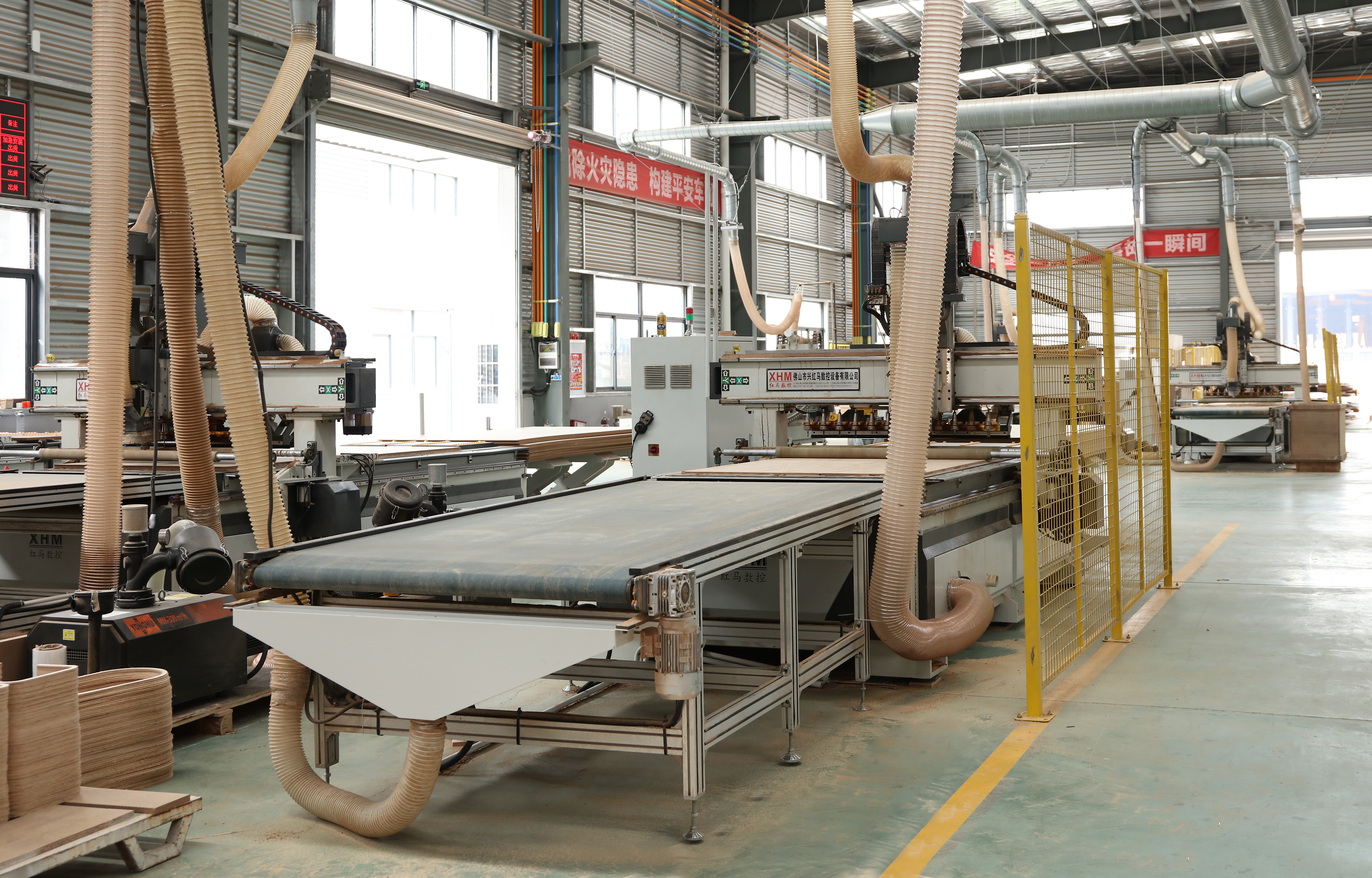
From a commercial and market perspective, the shift toward warm, sensory-driven finishes is reshaping the global supply chain. Manufacturers are investing heavily in water-based, low-VOC stains and sustainable wood veneers that can achieve these rich, organic tones without compromising environmental integrity. The demand for customizable color options is also soaring. Homeowners are no longer satisfied with a standard catalog; they want to match the vanity’s finish to their specific tile, lighting, and personal color preferences. Leading direct-to-consumer brands are responding by offering digital color-matching tools and small-batch, made-to-order production runs. This move toward personalized color palettes is driving higher margins and greater customer loyalty, as consumers feel a deeper emotional ownership over a piece that was crafted specifically for their sanctuary.
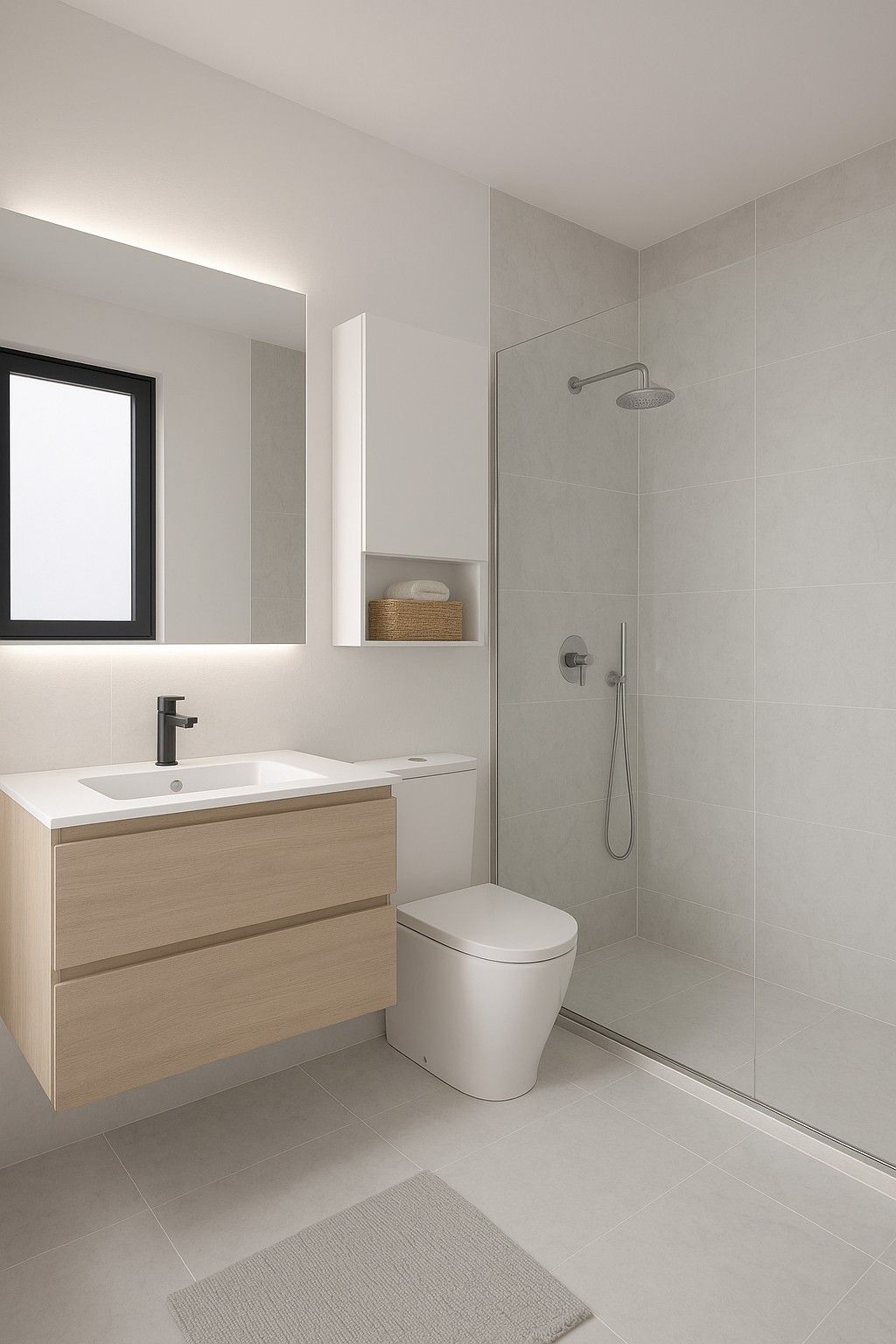
Looking toward 2027, the intersection of color psychology and smart technology promises even more exciting developments. We are on the cusp of “adaptive finishes”—surfaces that can subtly shift their warmth or tone in response to the time of day, the user’s mood, or even the ambient music playing in the room. While these innovations are still in their infancy, they signal a profound cultural truth: the modern bathroom is no longer an afterthought. It is a space of emotional restoration, and the objects within it must serve both the body and the mind. For interior designers, real estate developers, and homeowners alike, the message is clear. The cold, sterile bathroom is officially obsolete. In its place stands a warm, textured, and deeply personal sanctuary—anchored by the quiet elegance and emotional resonance of the Modern Floating Bathroom Vanity. It is not just a piece of furniture; it is the color of calm in a chaotic world.