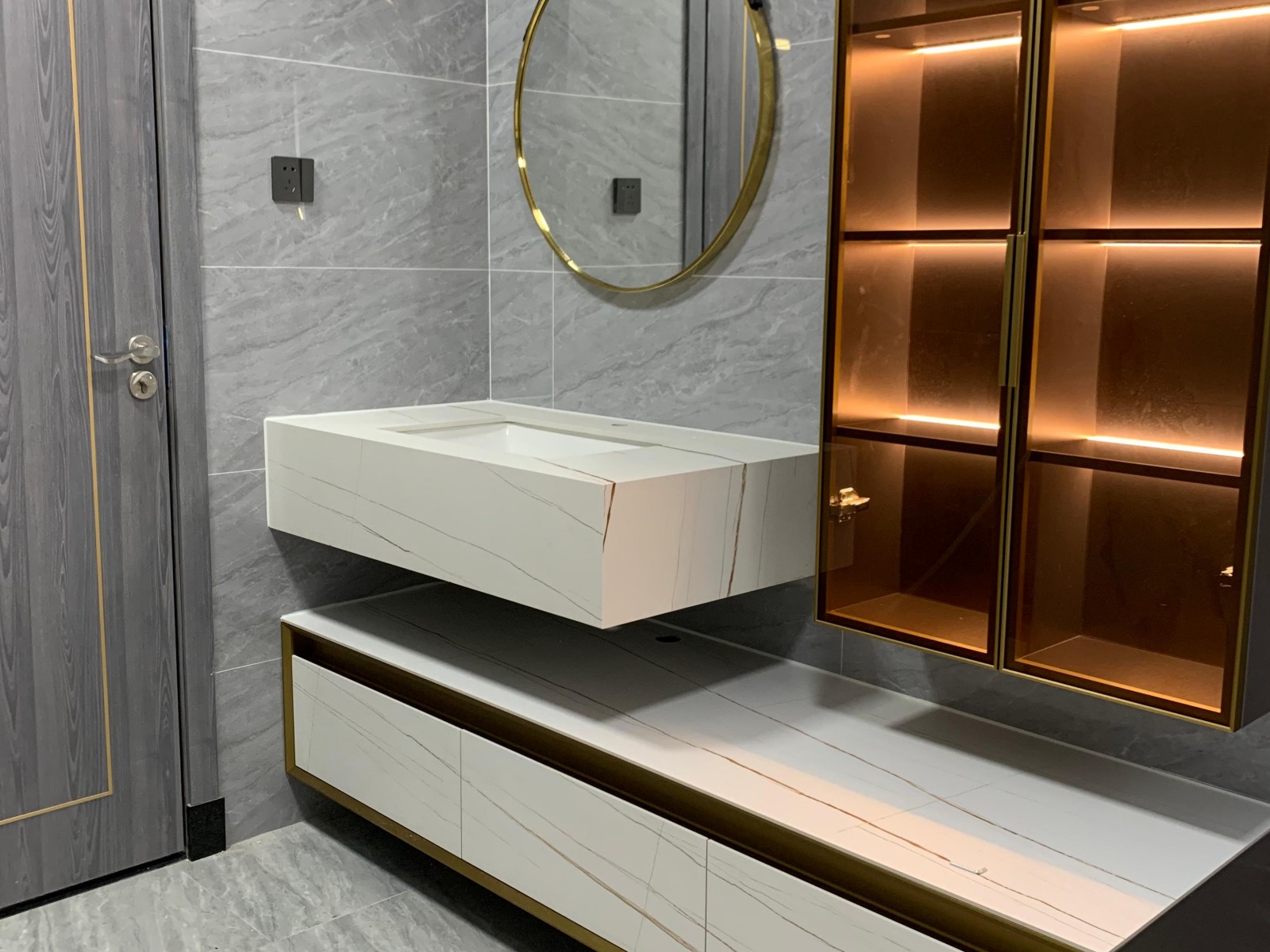
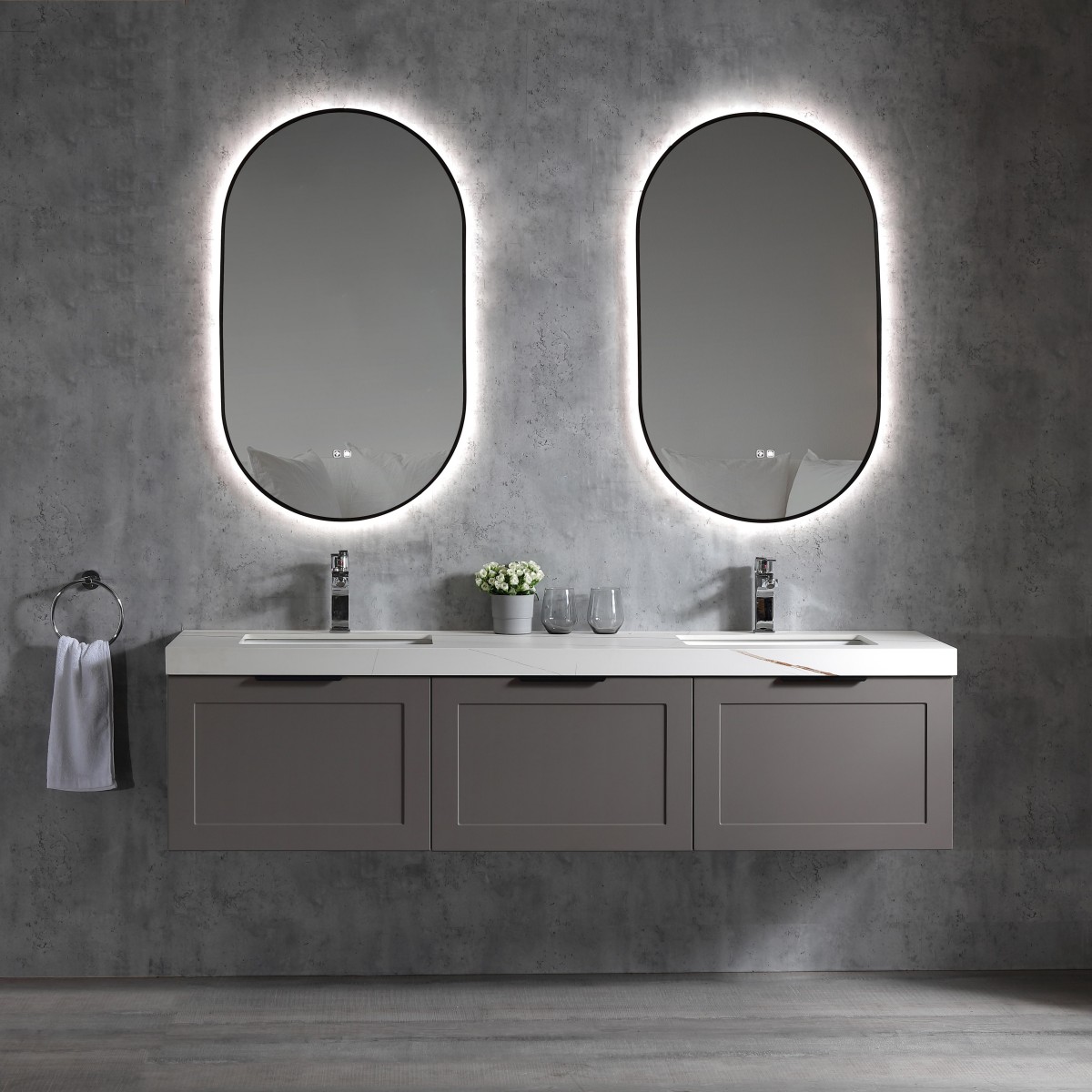
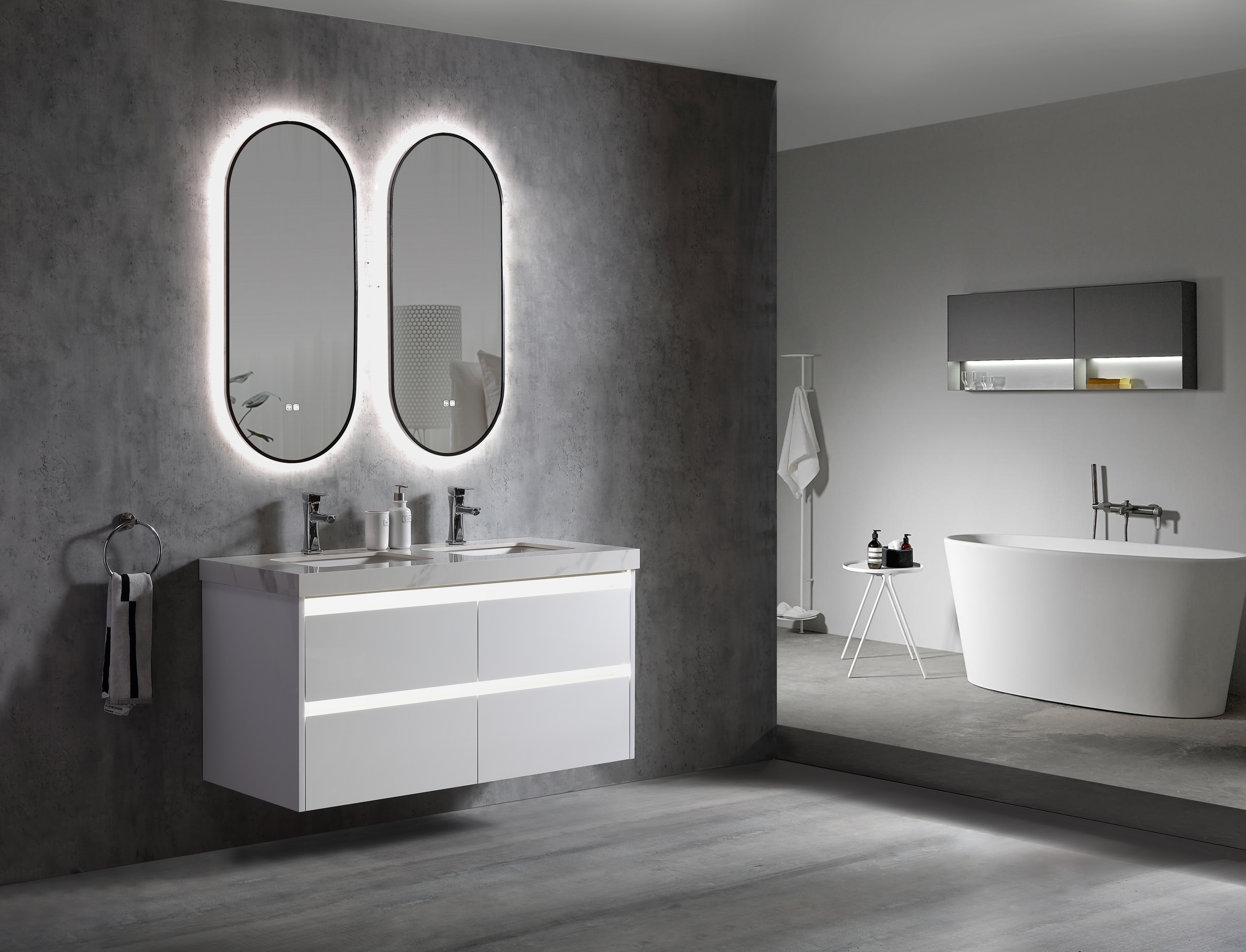
In our hyper-connected, perpetually buzzing world, silence has become the ultimate luxury. We are bombarded daily by notifications, traffic, and the relentless hum of urban life. Consequently, the modern home is no longer just a shelter; it is a fortress of calm, a place where the nervous system can finally downshift. Among all the rooms in a house, the bathroom holds a unique potential as a sonic sanctuary—a private chamber where the door closes and the outside world fades away. Yet, for decades, bathroom design has focused almost exclusively on the visual, neglecting the profound impact of sound on our daily well-being. That era is ending. A new movement known as “acoustic wellness” is sweeping through the global design industry, and at its center stands an unlikely hero: the Modern Floating Bathroom Vanity.
The problem with traditional bathrooms is that they are inherently noisy spaces. Heavy floor-standing cabinets amplify the thud of closing drawers, the clatter of toiletries, and the echo of running water. Hard, reflective surfaces—tile, glass, porcelain—bounce sound waves around the room, creating a harsh, reverberant environment that subconsciously elevates stress levels. In contrast, the Modern Floating Bathroom Vanity introduces a fundamentally different acoustic profile. Its suspended design lifts the cabinet away from the floor, breaking the direct transmission path of vibrations that would otherwise resonate through the building’s structure. More importantly, the higher-end iterations of this furniture now incorporate advanced soft-close mechanisms, precision-milled from high-density polymers and aerospace-grade steel, that operate at whisper-quiet decibel levels. The result is a tactile and auditory experience of pure smoothness—a drawer that glides shut with a soft, satisfying sigh rather than a jarring bang.
The global market data reflects this growing consumer demand for quiet. A 2026 report from the International Well Building Institute indicates that acoustic comfort is now one of the top three priorities for homeowners undertaking bathroom renovations, surpassing traditional concerns like tile pattern or mirror shape. Forward-thinking manufacturers have responded by treating the Modern Floating Bathroom Vanity as an engineered acoustic product, not merely a piece of cabinetry. They are lining drawer interiors with sound-dampening felt and recycled acoustic foam, reducing the rattle of stored bottles and brushes. They are designing the cabinet’s internal structure to minimize hollow resonance, effectively turning the vanity into a sound-absorbing volume rather than a sound-amplifying box. Even the mounting brackets have been redesigned to include rubber gaskets that prevent the transfer of vibrations into the wall, ensuring that the simple act of opening a drawer does not disturb the peace of an adjacent bedroom.
The sensory benefits of this acoustic evolution extend far beyond mere convenience. Audiologists and environmental psychologists have long documented the negative effects of chronic noise exposure, from elevated cortisol levels to disrupted sleep patterns. By contrast, a quiet bathroom promotes what researchers call “auditory restoration”—a state in which the brain can relax and recover from the constant processing of unwanted sound. When a homeowner steps into a bathroom anchored by the Modern Floating Bathroom Vanity, they are met not with a barrage of clatter, but with a serene soundscape. The gentle hiss of a touchless faucet, the soft click of a well-engineered drawer, and the subtle hush of water flowing into a ceramic basin all contribute to a meditative atmosphere. Designers are now pairing these floating units with sound-absorbing materials like cork flooring, acoustic plaster walls, and heavy linen curtains to further enhance the sonic tranquility of the space.
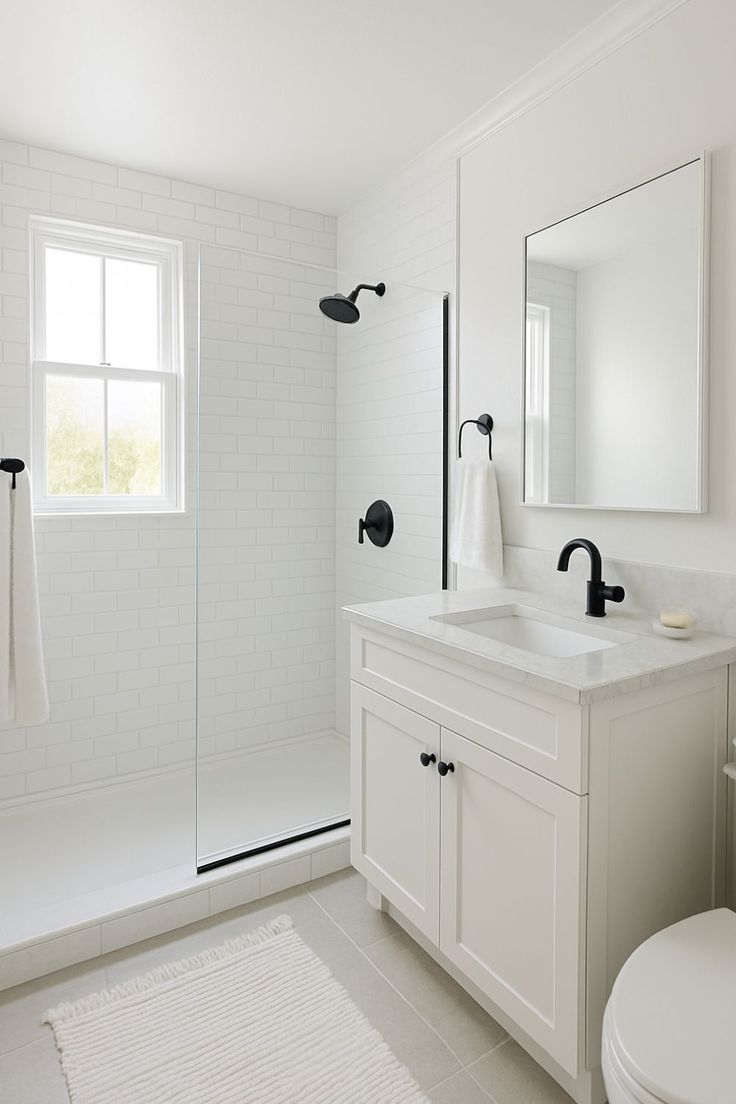
This trend is also shaping the way architects and interior designers approach lighting and layout. In a quiet bathroom, the visual and auditory elements must work in harmony. A large, frameless circular mirror with integrated warm-white LED lighting not only flatters the complexion but also eliminates the need for noisy exhaust fans or harsh overhead fixtures. The natural sunlight that streams through a side window, casting soft shadows on the neutral walls, becomes part of the sensory experience—a visual counterpart to the auditory calm. The inclusion of natural elements, such as a muted ceramic vase holding dried botanical branches, adds a tactile and visual softness that complements the acoustic softness of the room. Every detail, from the matte finish of the wood to the smooth operation of the hardware, is orchestrated to create a seamless, stress-free environment.
From a commercial perspective, the emphasis on acoustic engineering is providing manufacturers with a powerful new point of differentiation in an increasingly crowded marketplace. Brands that invest in superior soft-close technology, sound-dampening materials, and precision assembly are commanding premium prices, particularly in the luxury and hospitality sectors. Hotels and high-end residential developers are increasingly specifying quiet-closing cabinetry as a standard feature, recognizing that a peaceful bathroom is a key driver of guest satisfaction and property value. Real estate agents report that homes featuring acoustic-friendly upgrades, including a well-engineered Modern Floating Bathroom Vanity, are perceived as more “high-end” and “thoughtfully designed,” leading to faster sales and higher offers.
Looking ahead to 2027, the field of acoustic wellness is poised for even more radical innovation. We are on the cusp of “active noise cancellation” technology being integrated into bathroom furniture—a system that uses tiny microphones and speakers to emit counter-frequency waves, effectively neutralizing the sound of running water or outside traffic. While still in development, such technology signals a profound shift in how we think about our homes. The bathroom of the future will not just look beautiful and function efficiently; it will actively protect our mental health through the power of silence. For designers, developers, and homeowners seeking to create a true sanctuary, the message is clear: the modern bathroom must be seen, but it must also be heard—or rather, not heard. And at the heart of that quiet revolution is the Modern Floating Bathroom Vanity, a piece of furniture that has become the silent guardian of our most private moments of peace.