The global furniture trade is currently navigating one of the most volatile periods in modern history. Fluctuating ocean freight rates, shifting tariff policies, and the relentless rise of cross-border e-commerce have forced manufacturers to rethink every square inch of their packaging and every ounce of their shipping weight. In this high-stakes logistical arena, the bathroom furniture sector has historically been one of the worst offenders. Traditional floor-standing vanities are bulky, top-heavy, and notoriously prone to transit damage, resulting in exorbitant shipping costs and frustrating return rates. However, a quiet engineering revolution is sweeping through the industry, led by a product category that was once admired purely for its aesthetics: the Modern Floating Bathroom Vanity. Its inherent design advantages are now proving to be a game-changer for global logistics, direct-to-consumer brands, and B2B wholesalers alike.
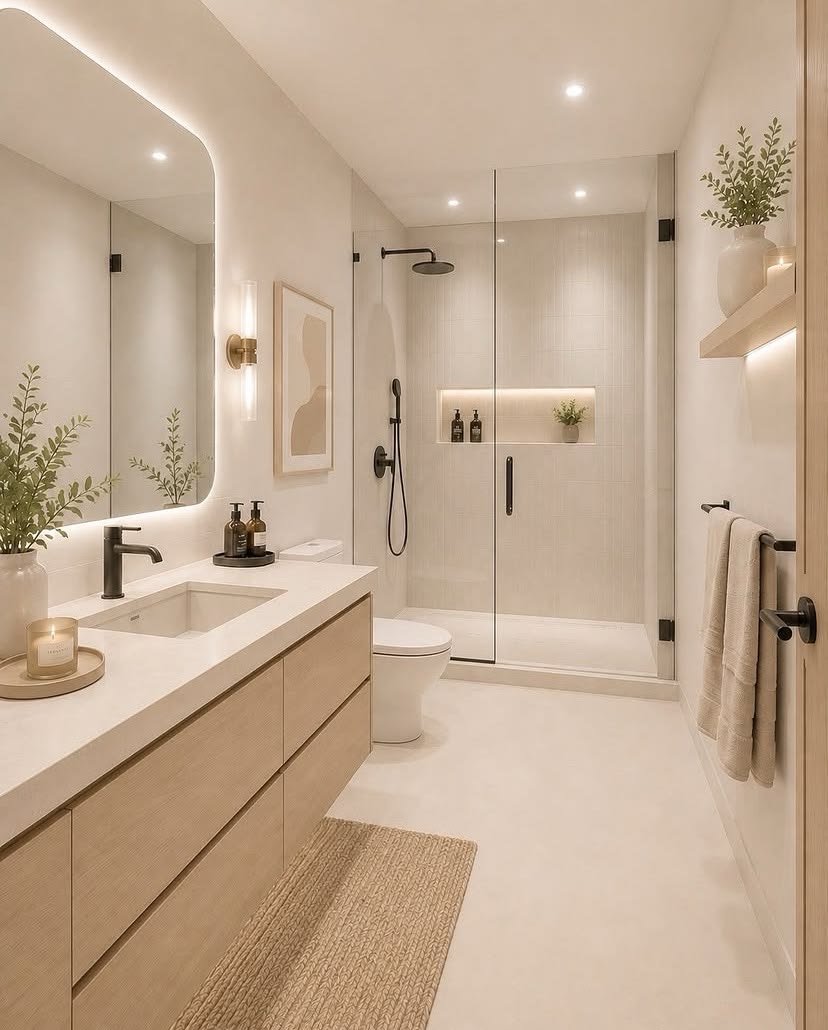
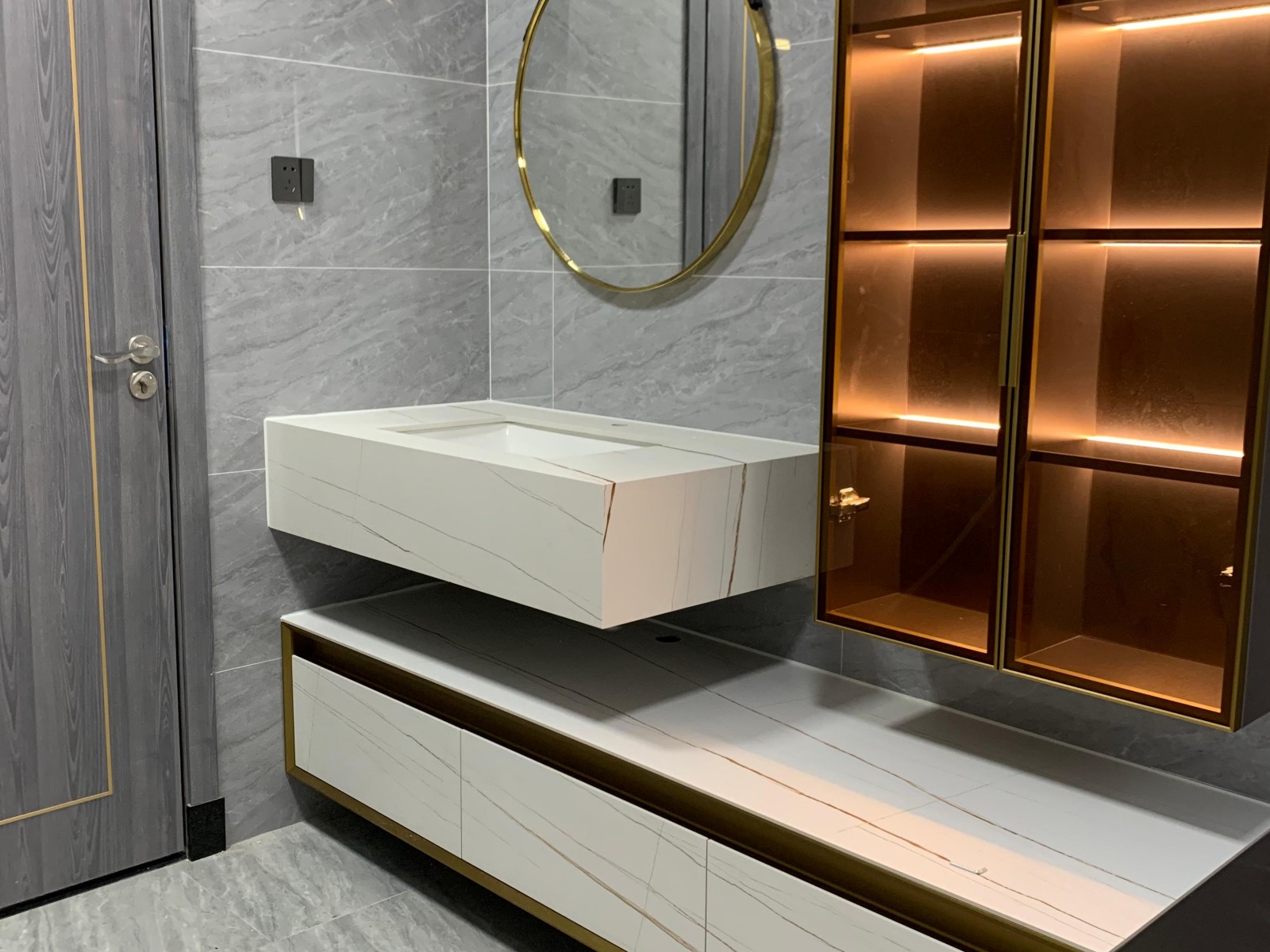
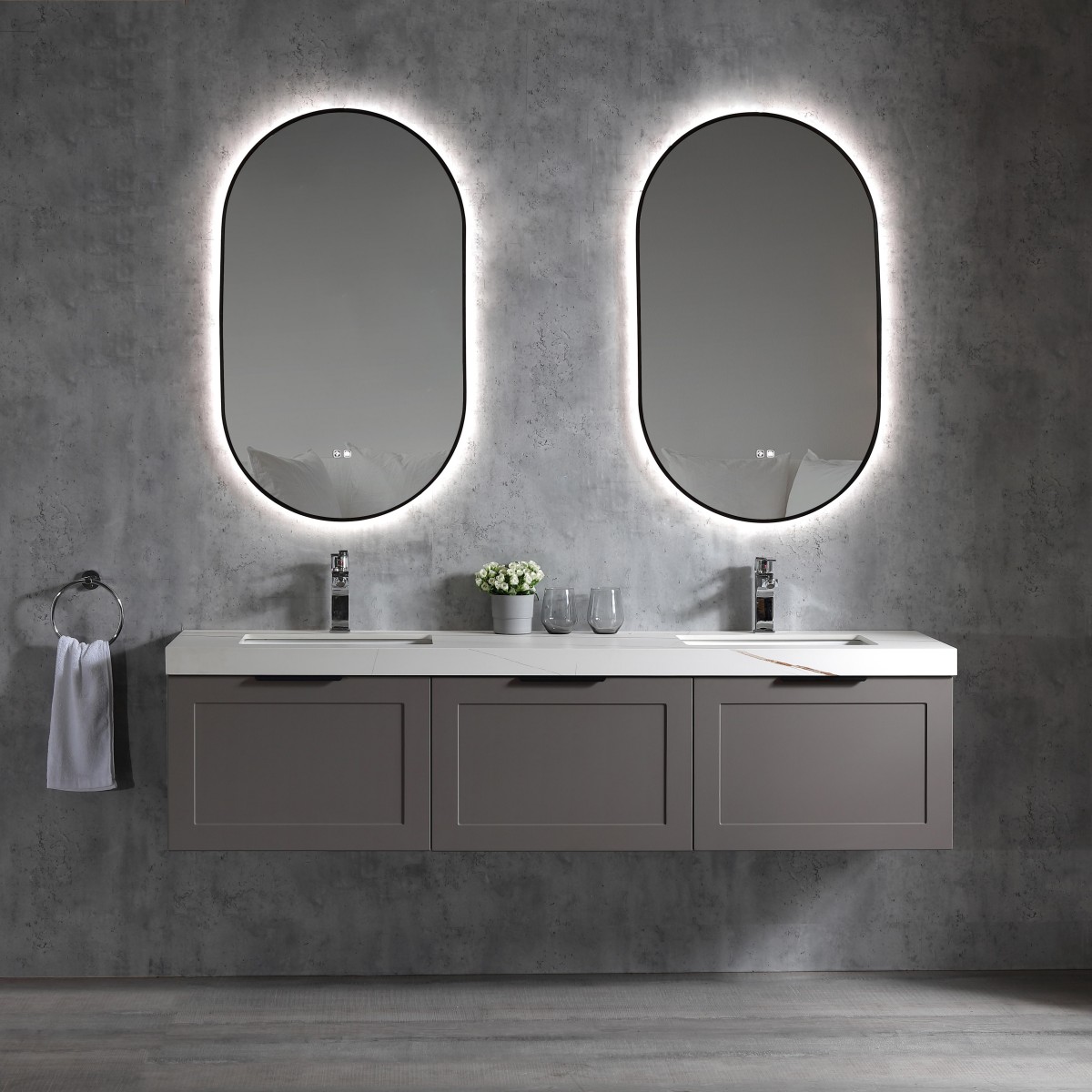
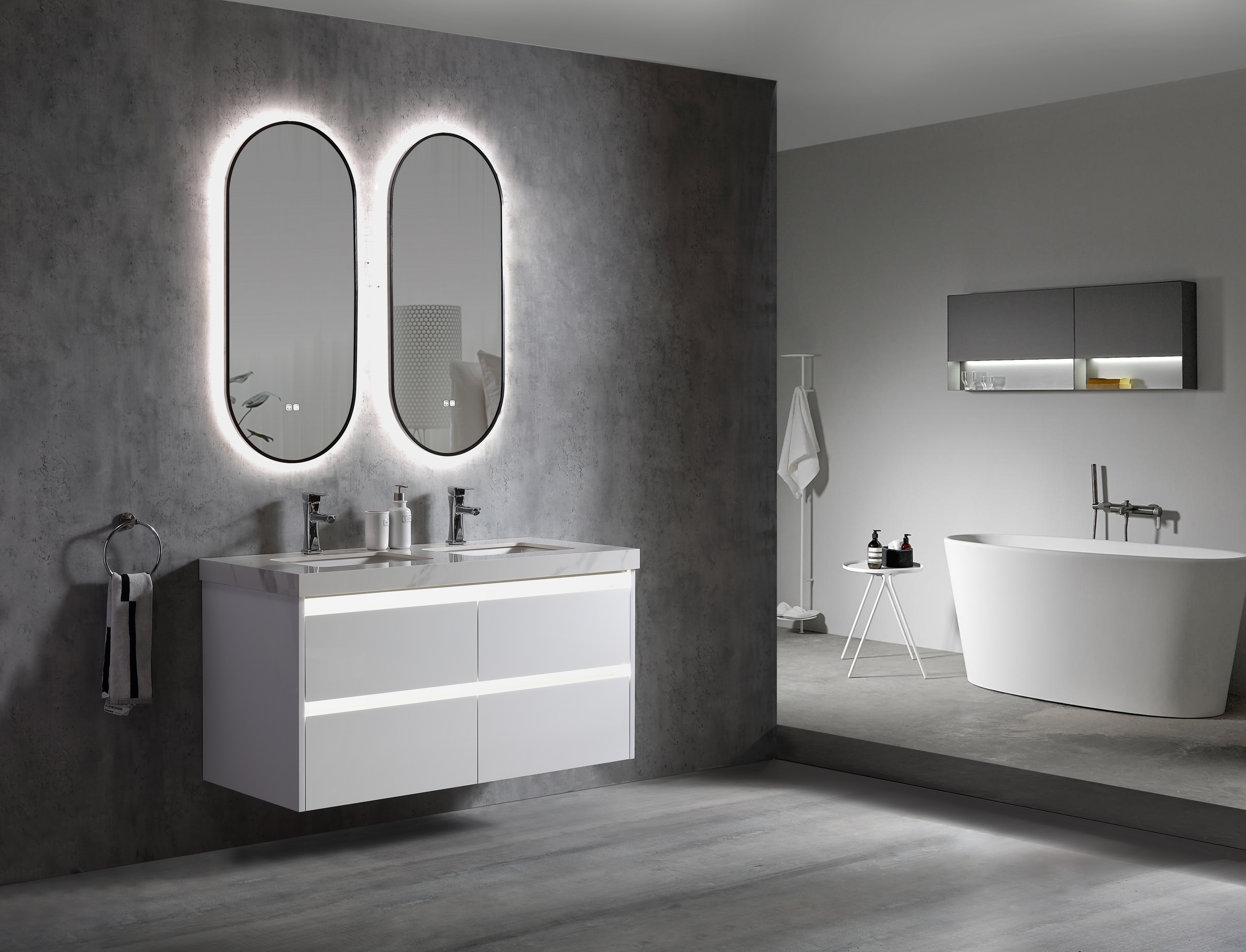
The core advantage lies in the fundamental architecture of the suspended unit. Unlike a monolithic floor-standing cabinet, the Modern Floating Bathroom Vanity is engineered as a modular system. The wall-mounted cabinet, the ceramic basin, and the hardware are packed separately, allowing for flat-pack shipping that dramatically reduces volumetric weight. This seemingly simple shift has profound economic implications. A standard 40-foot shipping container that once held 120 traditional vanities can now accommodate over 300 suspended units, slashing per-unit freight costs by as much as 60%. For importers and distributors navigating the treacherous waters of international trade in 2026, this efficiency is not just a competitive advantage—it is a survival imperative. Furthermore, the reduced weight lowers the risk of structural damage during handling, significantly decreasing the insurance premiums and replacement costs that have long plagued the bathroom furniture trade.
Beyond the ocean freight, the last-mile delivery and installation experience is undergoing a similar transformation. In the era of Amazon Prime and same-day delivery expectations, consumers and contractors are unwilling to wait weeks for a bulky item that requires a team of three people to maneuver through narrow doorways. The modular nature of the Modern Floating Bathroom Vanity allows for compact, one-person delivery. Once on-site, the installation process is remarkably streamlined. Because the unit is wall-mounted, there is no need to level a heavy base on an uneven floor or cut cumbersome toe-kicks. The installer simply mounts a sturdy steel cleat to the wall studs, lifts the lightweight cabinet into place, and connects the plumbing. This "click-and-lock" installation philosophy is particularly appealing to the rapidly growing DIY renovation market, where homeowners are increasingly confident in tackling projects that were once the exclusive domain of professional contractors.
This logistical evolution is also fueling a massive surge in cross-border e-commerce. Online marketplaces and direct-to-consumer brands are finding that the Modern Floating Bathroom Vanity is uniquely suited to the digital retail environment. Its flat-pack design allows for efficient warehousing and rapid fulfillment, while its visual appeal—clean lines, warm wood grains, and minimalist ceramic basins—translates exceptionally well to high-resolution product photography and 3D room visualization tools. Shoppers in the United States, Germany, and Australia can now browse, customize, and order a premium suspended vanity from a factory in Vietnam or Poland with the same ease as ordering a pair of shoes. This democratization of access is expanding the addressable market for manufacturers, allowing smaller, agile brands to compete directly with legacy furniture giants on a global scale.
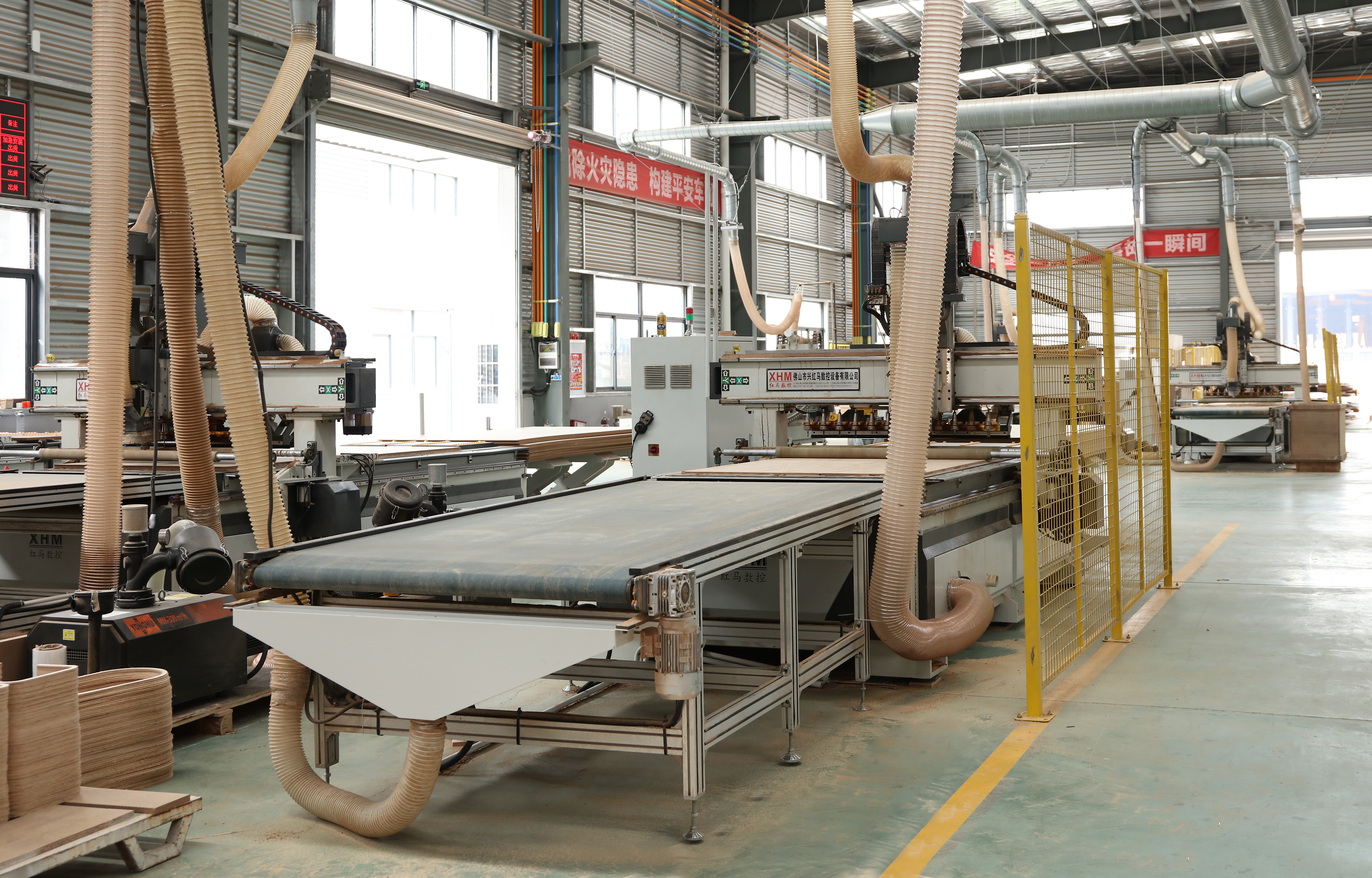
The broader supply chain is also responding to the demand for greater resilience. The tariff wars and pandemic-era disruptions of the early 2020s taught the industry a harsh lesson about over-reliance on single-source manufacturing. In 2026, we are witnessing a strategic shift toward "nearshoring" and multi-country sourcing. Manufacturers of suspended bathroom furniture are establishing satellite assembly facilities in Mexico, Eastern Europe, and Southeast Asia to serve regional markets more efficiently. This decentralized production model not only mitigates geopolitical risk but also reduces lead times and carbon footprints. For B2B buyers and procurement managers, this means greater flexibility in ordering volumes and a more predictable supply of high-quality Modern Floating Bathroom Vanity units that meet local building codes and electrical standards.
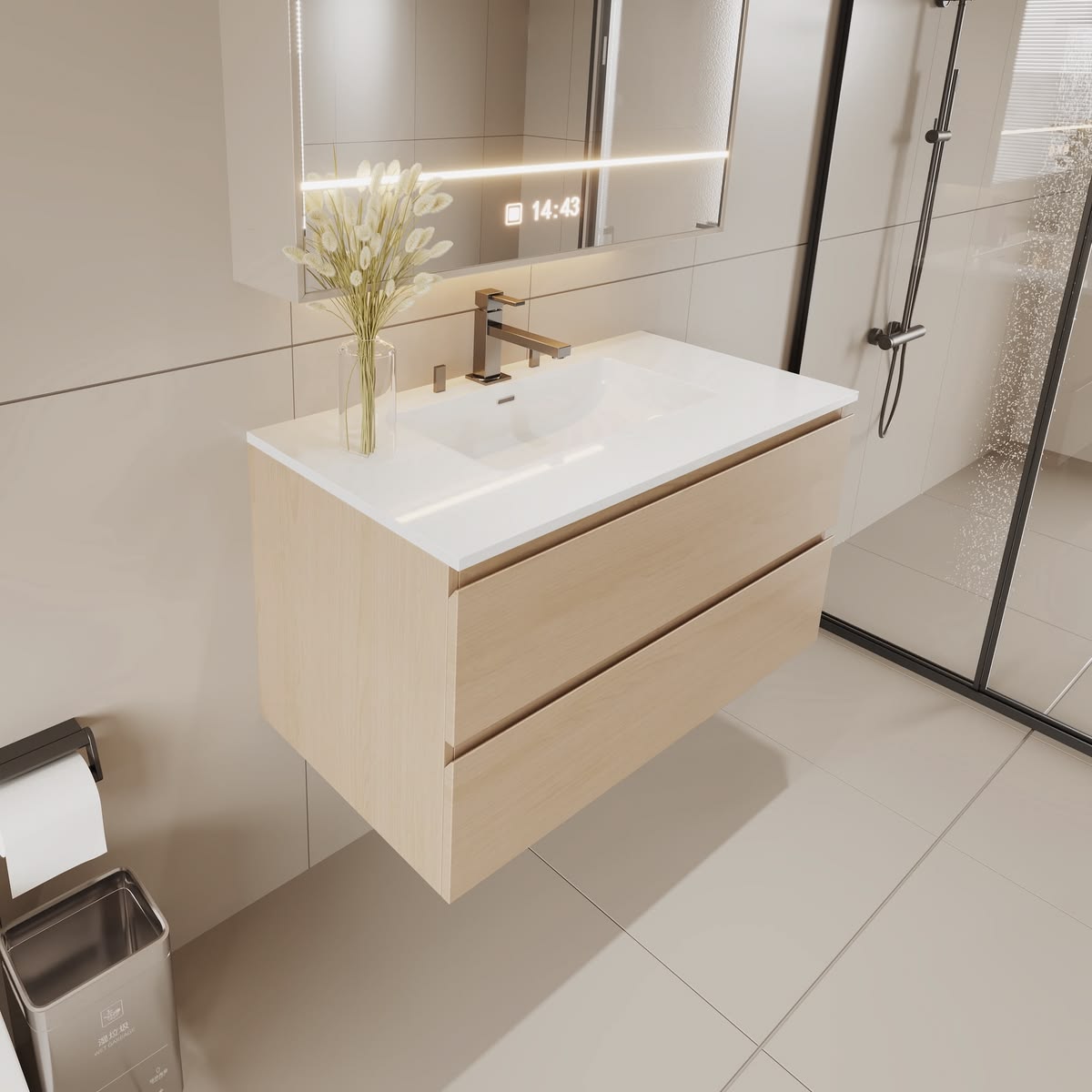
Looking ahead to 2027, the logistical advantages of the floating vanity will only become more pronounced. We are on the cusp of a new era of "smart packaging" that integrates QR codes for video installation guides and augmented reality tools that help customers visualize the product in their own bathroom before purchase. The industry is also exploring the use of lightweight, recycled composite materials that further reduce shipping weight without compromising structural integrity. As global trade continues to evolve, the winners will be those brands that master the art of efficient logistics as thoroughly as they master the art of design. For any company involved in the manufacturing, distribution, or retail of bathroom fixtures, embracing the modular, flat-pack, and wall-mounted philosophy of the modern floating cabinet is no longer just a design choice—it is a strategic business decision. The future of the industry belongs to those who can deliver beauty, durability, and efficiency in a single, elegantly engineered package.