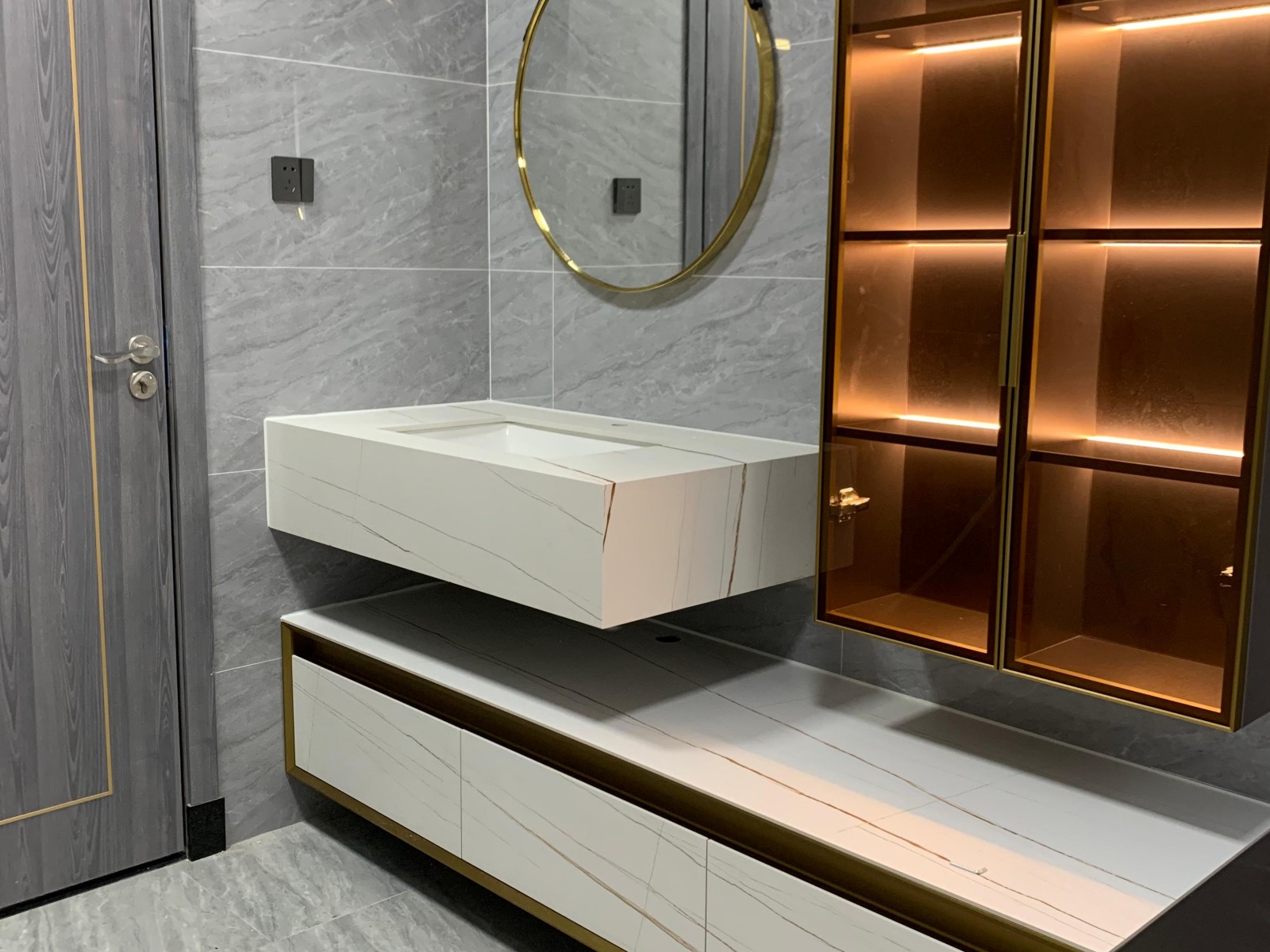
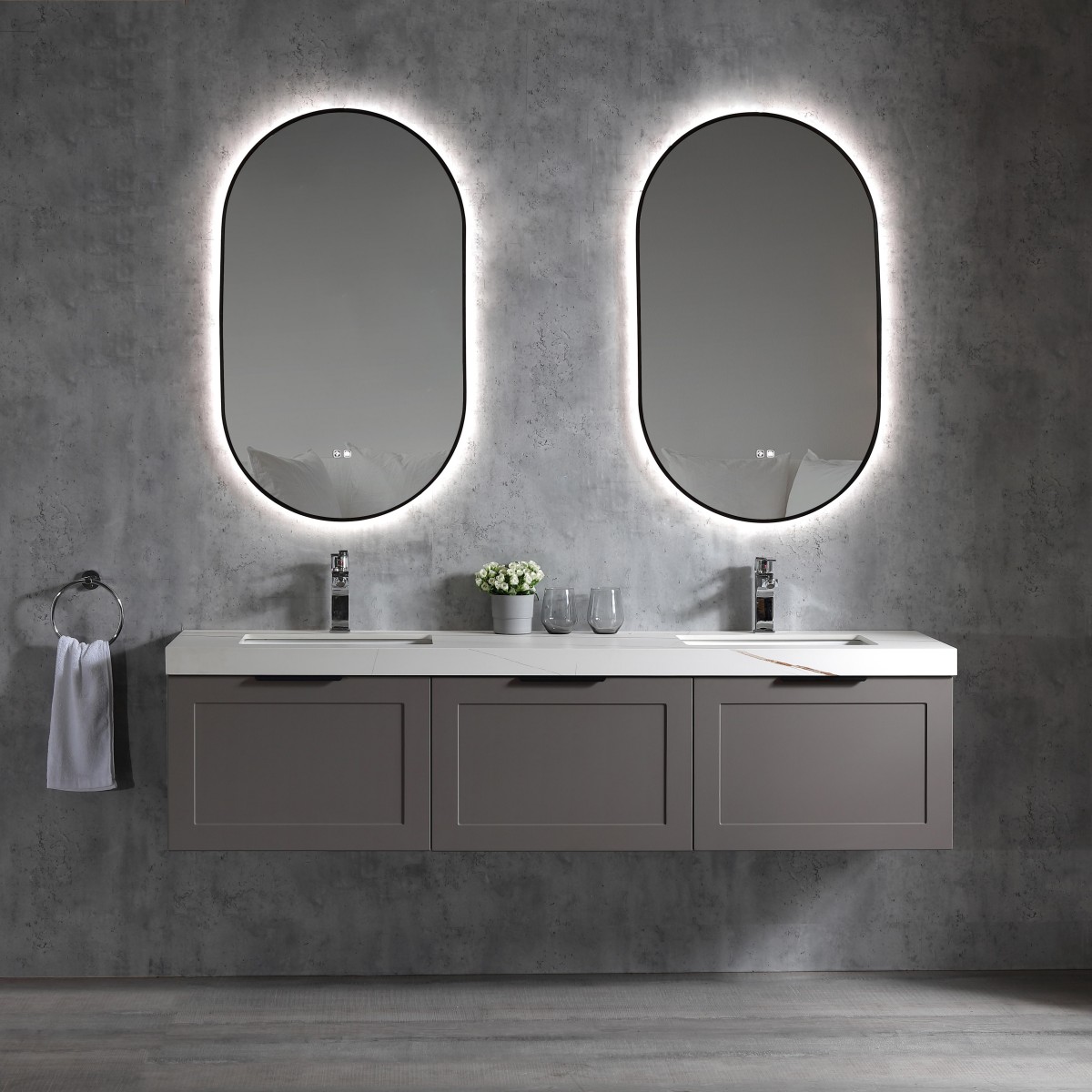
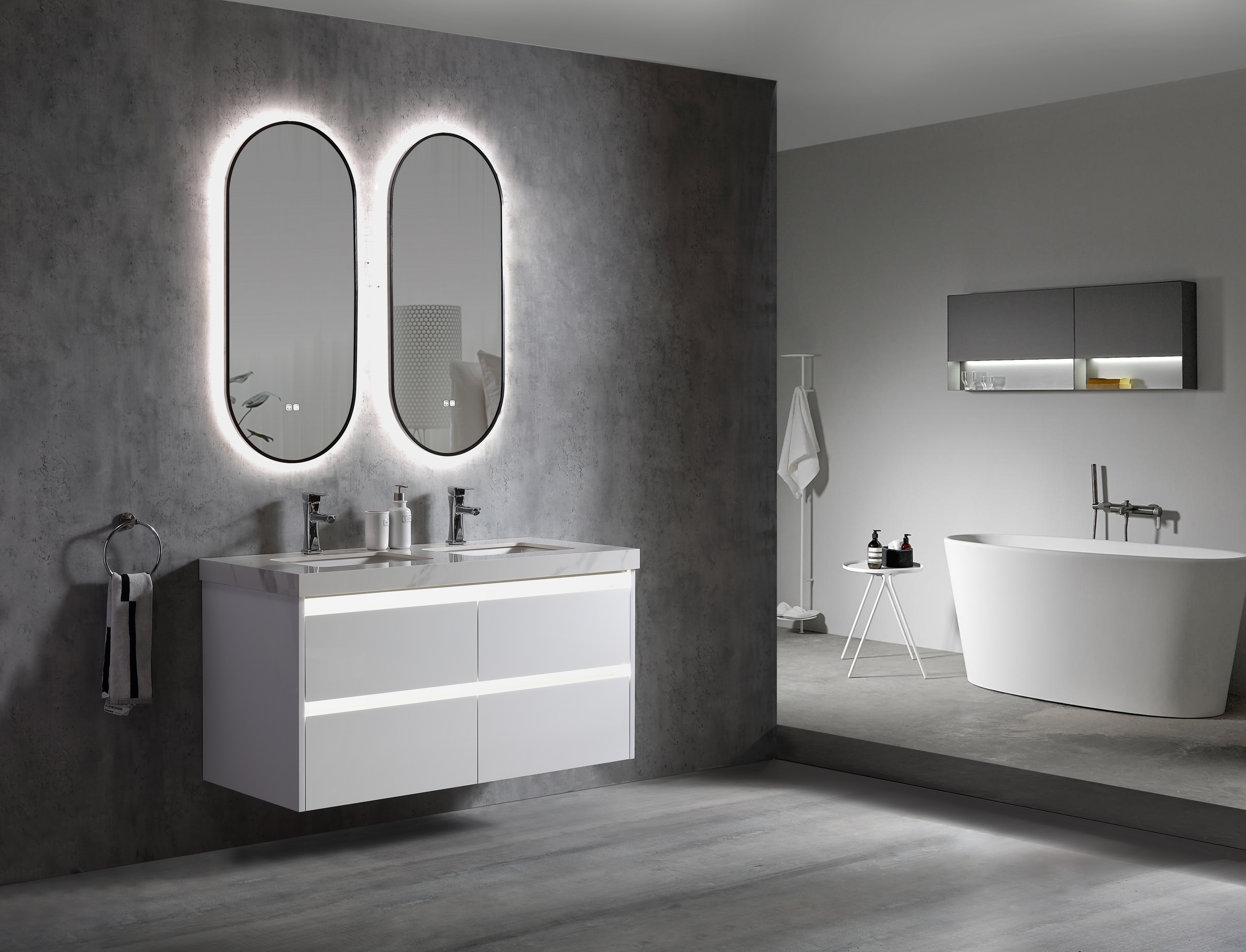
As global economic and environmental landscapes continue to shift dramatically in 2026, the interior design sector is experiencing a profound awakening. The era of disposable, chemically-laden, and non-recyclable furniture is drawing to a definitive close. Across major design capitals from Stockholm to Singapore, industry conferences are no longer dominated solely by aesthetic trends, but by stringent discussions regarding carbon footprints, material transparency, and ethical sourcing. This tectonic shift is fundamentally altering consumer expectations, particularly within the high-stakes world of bathroom renovations. At the intersection of environmental responsibility and modern minimalism, one architectural element has emerged as the undeniable beacon of this green revolution: the Modern Floating Bathroom Vanity.
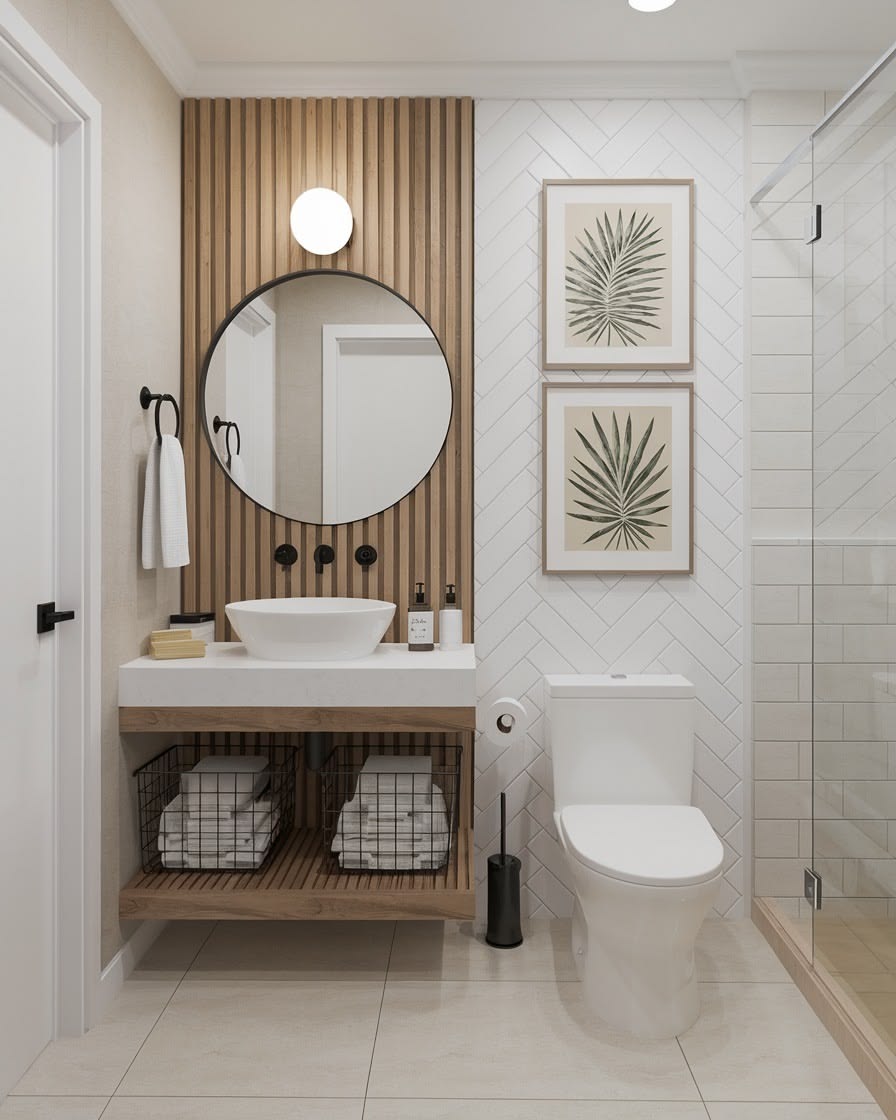
Industry watchdog reports published earlier this year highlight a startling statistic: 67% of North American and European homeowners now consider the environmental impact of their cabinetry as a primary factor in purchasing decisions, surpassing traditional concerns like paint color or hardware finish. This consumer-driven pressure is forcing manufacturers to completely overhaul their supply chains. The sleek, suspended profile of the Modern Floating Bathroom Vanity is perfectly suited for this new era, as its structural design inherently requires less raw material than bulky, floor-standing equivalents, promoting a philosophy of "material efficiency." Major furniture conglomerates are aggressively pivoting toward using FSC-certified bamboo plywood and reclaimed solid oak, materials that sequester carbon rather than emit it during production. The shift is not merely about tree-hugging; it's a rigorous business adaptation to the European Union’s stringent New Circular Economy Action Plan, which imposes heavy tariffs on furniture that cannot be fully disassembled and recycled at the end of its life cycle.
Beyond the raw wood composition, the manufacturing process itself has undergone a radical chemical revolution. Traditional vanities often relied on solvent-based adhesives and lacquers that released high levels of volatile organic compounds (VOCs) into the home environment, contributing to respiratory issues and poor indoor air quality. However, leading-edge suppliers of the Modern Floating Bathroom Vanity are now pioneering the use of water-based, UV-cured nano-coatings. These advanced finishes provide superior protection against humidity and scratches while remaining completely non-toxic and odor-free, meeting the rigorous standards of the WELL Building Institute. Furthermore, the hardware—from the soft-close drawer runners to the chrome or matte-black faucet mounts—is increasingly crafted from 100% recycled stainless steel and aerospace-grade aluminum. This comprehensive approach to "cradle-to-cradle" manufacturing ensures that every component of the vanity serves a purpose beyond mere utility, actively contributing to the homeowner's health and the planet's longevity.
The sustainable attributes of this design also extend to its functional longevity, which is the core tenet of the "Slow Design" movement. In an age of fast fashion and disposable home goods, the durability offered by high-quality suspended vanities represents a counter-cultural push against planned obsolescence. By utilizing moisture-resistant marine-grade cores and robust drawer glides, this furniture piece is engineered to endure decades of daily use without warping, discoloration, or mechanical failure. This longevity dramatically reduces the frequency of household renovations, thereby decreasing the massive waste generated by demolition and landfill disposal. When combined with the timeless aesthetic of natural wood grain and crisp white ceramic surfaces, the Modern Floating Bathroom Vanity becomes an investment piece rather than a temporary trend. Interior architects are increasingly advising clients to view this as "generational furniture"—items that can be passed down or repurposed, reducing the overall environmental burden on future generations.
From a spatial psychology perspective, the embrace of this floating unit aligns perfectly with the biophilic design principles that dominate modern sustainable architecture. The ability to install the vanity flush against the wall, creating a visual void underneath, fosters an intense connection to the room's geometry and the natural light entering the space. Designers are leveraging this structural feature to eliminate dust-collecting corners, reducing the need for harsh chemical cleaning agents and promoting a healthier indoor microbiome. Moreover, when sunlight streams through adjacent windows and interacts with the suspended wood cabinet, it casts soft, organic shadows against the surrounding neutral-toned walls. This dynamic interplay of light and material not only reduces the reliance on artificial lighting during the day—lowering electricity consumption—but also creates a meditative atmosphere that contrasts sharply with the chaotic, screen-filled world outside. This psychological well-being, derived from clean air and pure materials, is rapidly becoming the defining luxury of the 21st century.
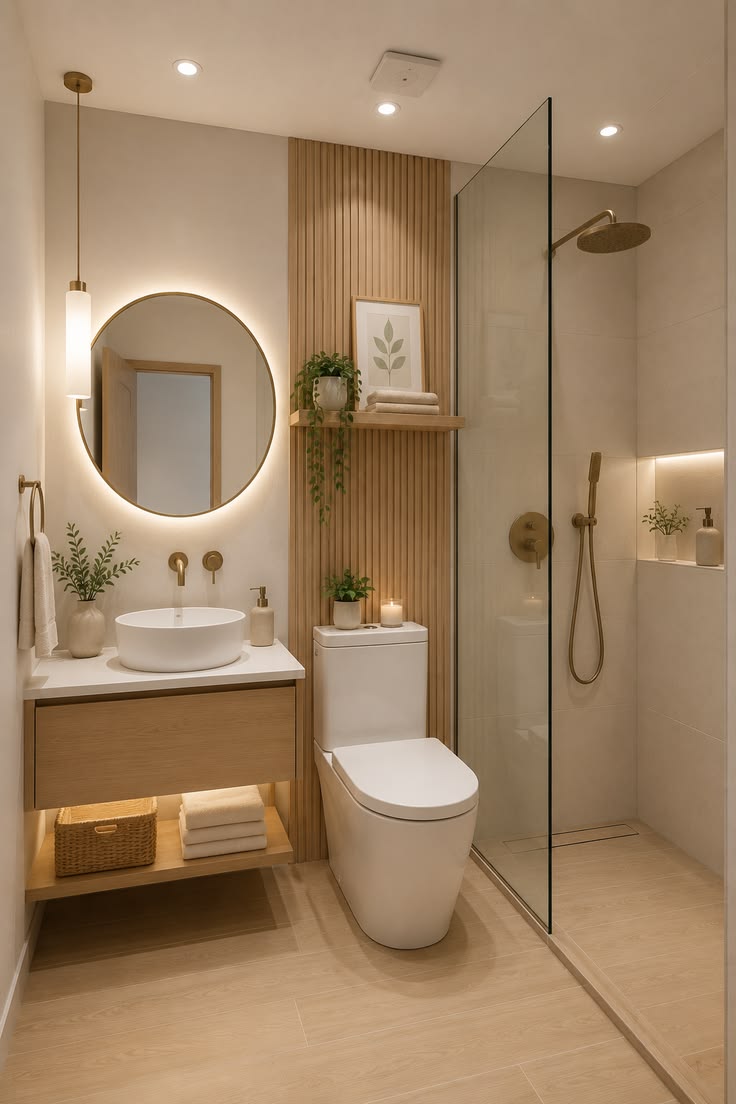
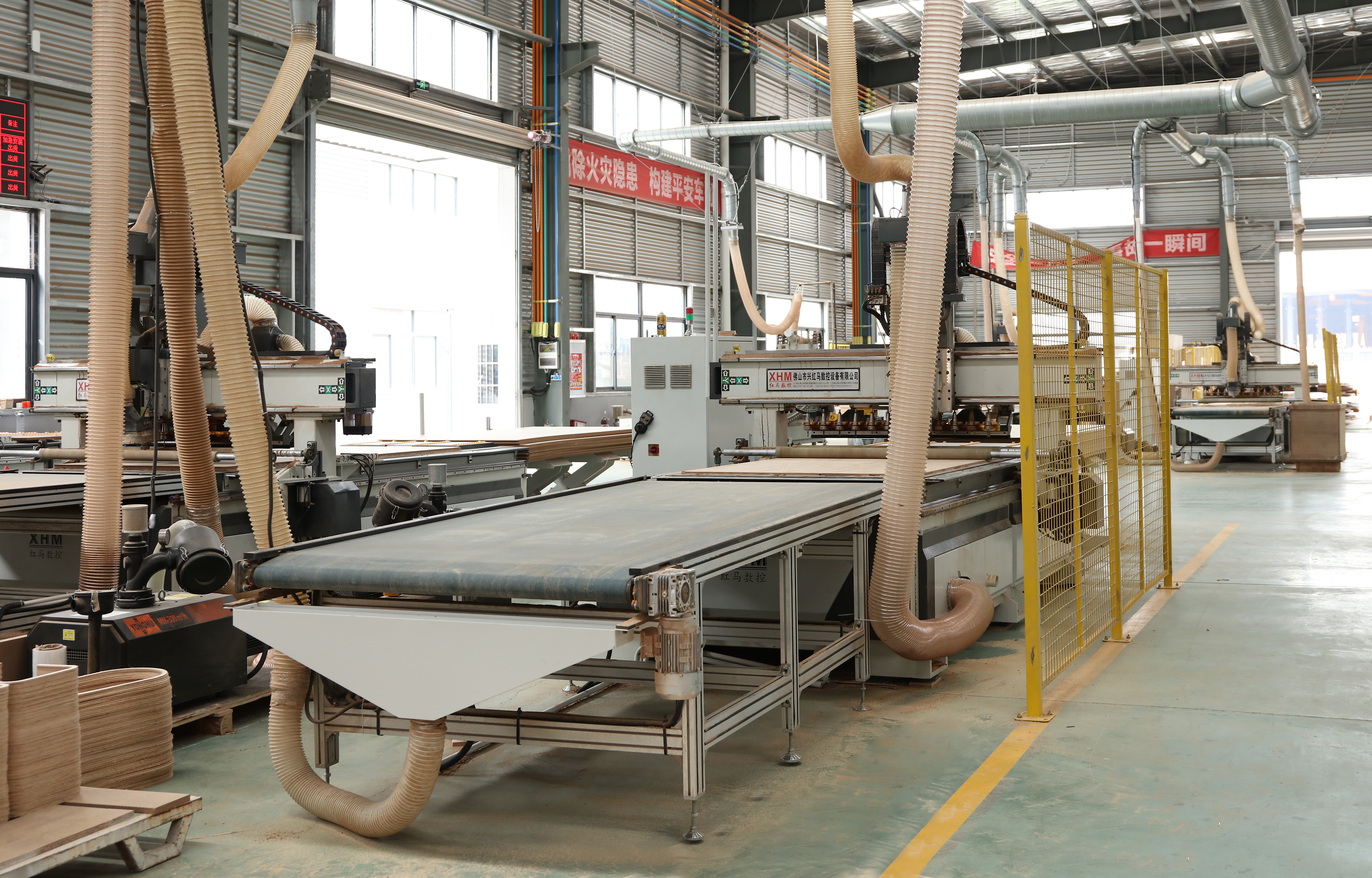
The market implications of this sustainability shift are immense for the global building trades. Distributors and importers are now legally required to provide full carbon accounting reports for their furniture lines. In response, proactive brands are investing in localized, near-shore manufacturing facilities to shorten transport distances, significantly cutting down on maritime freight emissions. These forward-thinking companies are discovering that the environmental premium is not a burden, but a tremendous differentiator. Real estate developers are proudly featuring these eco-certified products in their "Green Star" and "Net Zero" building projects, using them as powerful marketing tools to attract eco-conscious buyers. The data is unequivocal: homes equipped with sustainable, high-end cabinetry not only command higher resale values but also generate significantly lower utility and maintenance costs over their lifespan.
Looking ahead to 2027, the intersection of artificial intelligence and green manufacturing promises to make these vanities even smarter and greener. We are anticipating the introduction of integrated sensors that monitor humidity levels and automatically adjust the vanity's ventilation, preserving the wood's integrity. As global climate policies tighten, the race to produce the most carbon-negative furniture will define the industry's winners. In this competitive arena, the marriage of minimalist floating aesthetics with uncompromised environmental ethics is no longer a niche market—it is the dominant mainstream paradigm. For any homeowner, contractor, or designer committed to building a better, cleaner future, the choice is clear. Embracing the elegance, durability, and eco-intelligence of a well-crafted floating vanity is the definitive way to align personal style with global stewardship. The future of bathroom design has never looked greener, nor more refined.