The global architecture and interior design communities are currently abuzz with a singular, transformative observation: the bathroom has officially displaced the living room as the primary barometer of a property’s true value. Nowhere is this phenomenon more evident than in the fiercely competitive world of luxury hospitality. From the boutique waterfront retreats of the Maldives to the sky-high penthouses of Manhattan, five-star hotel chains are engaged in an arms race to deliver the most immersive, photogenic, and technically refined bathing experiences. Surprisingly, the centerpiece of these multi-million-dollar renovation projects is not a sprawling Japanese soaking tub or a digital rainfall shower, but rather the understated elegance of the washbasin area. Specifically, top-tier architects are universally specifying the Modern Floating Bathroom Vanity as the foundational element upon which the entire bathroom's emotional ambiance is built.
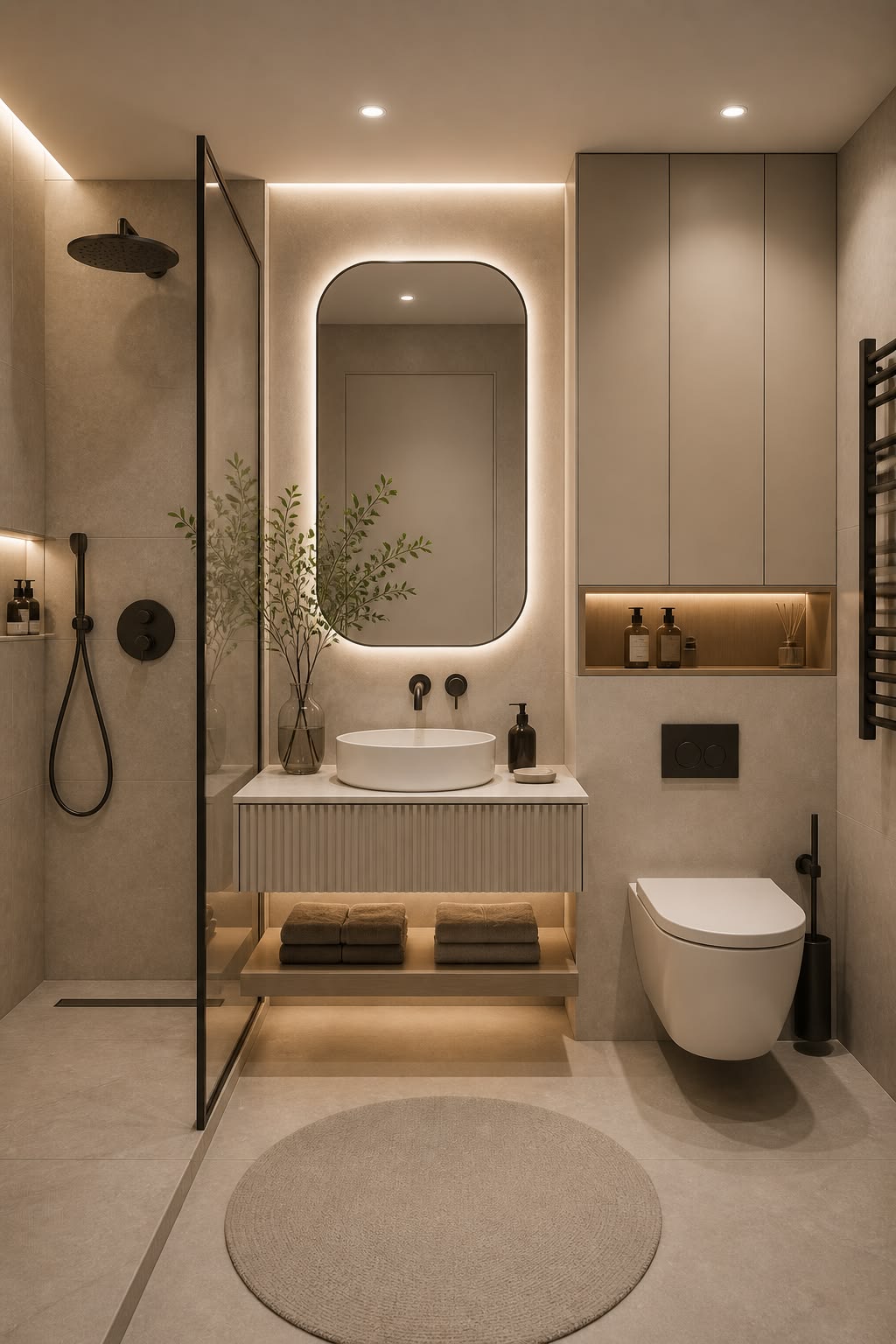
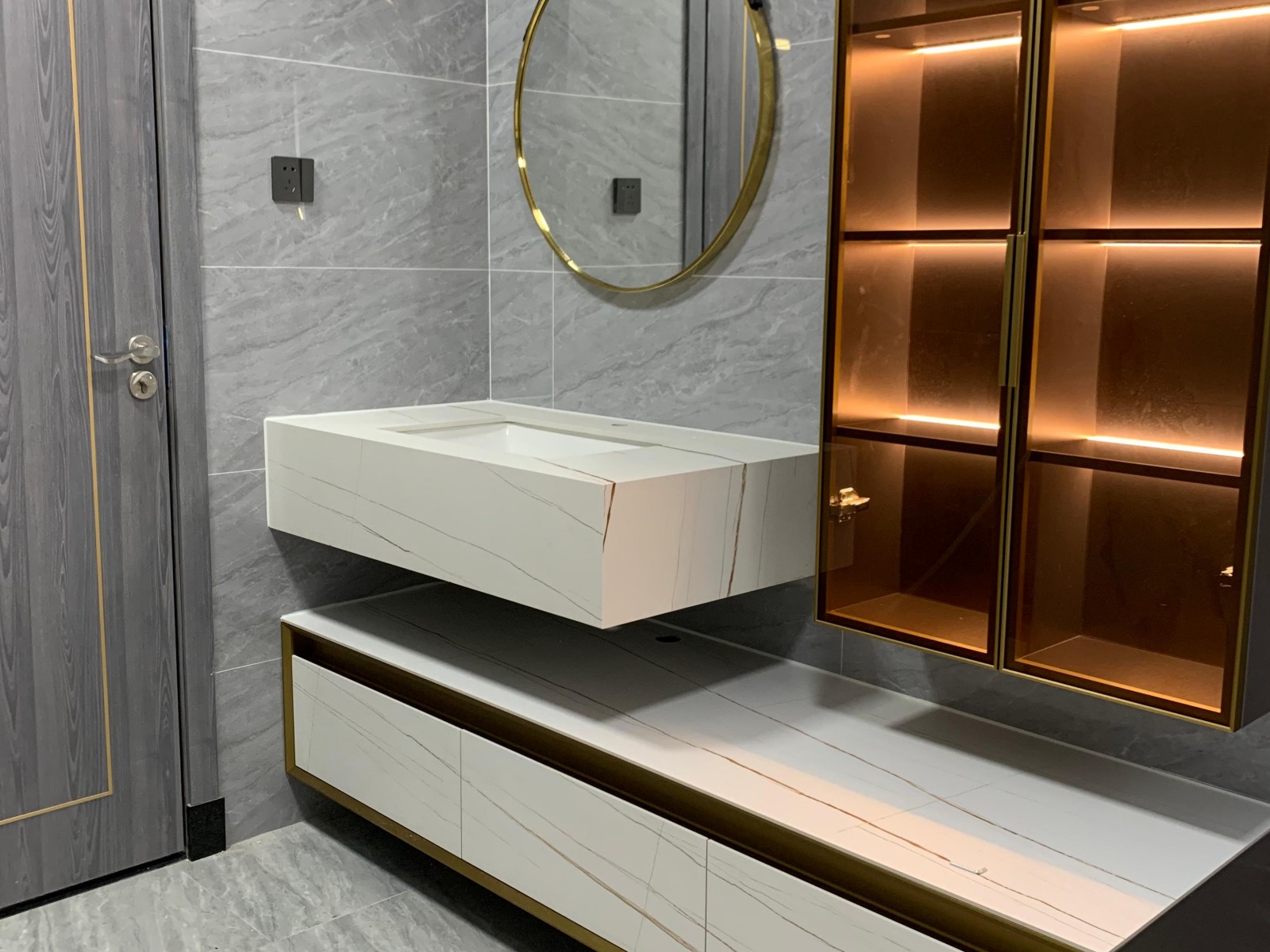
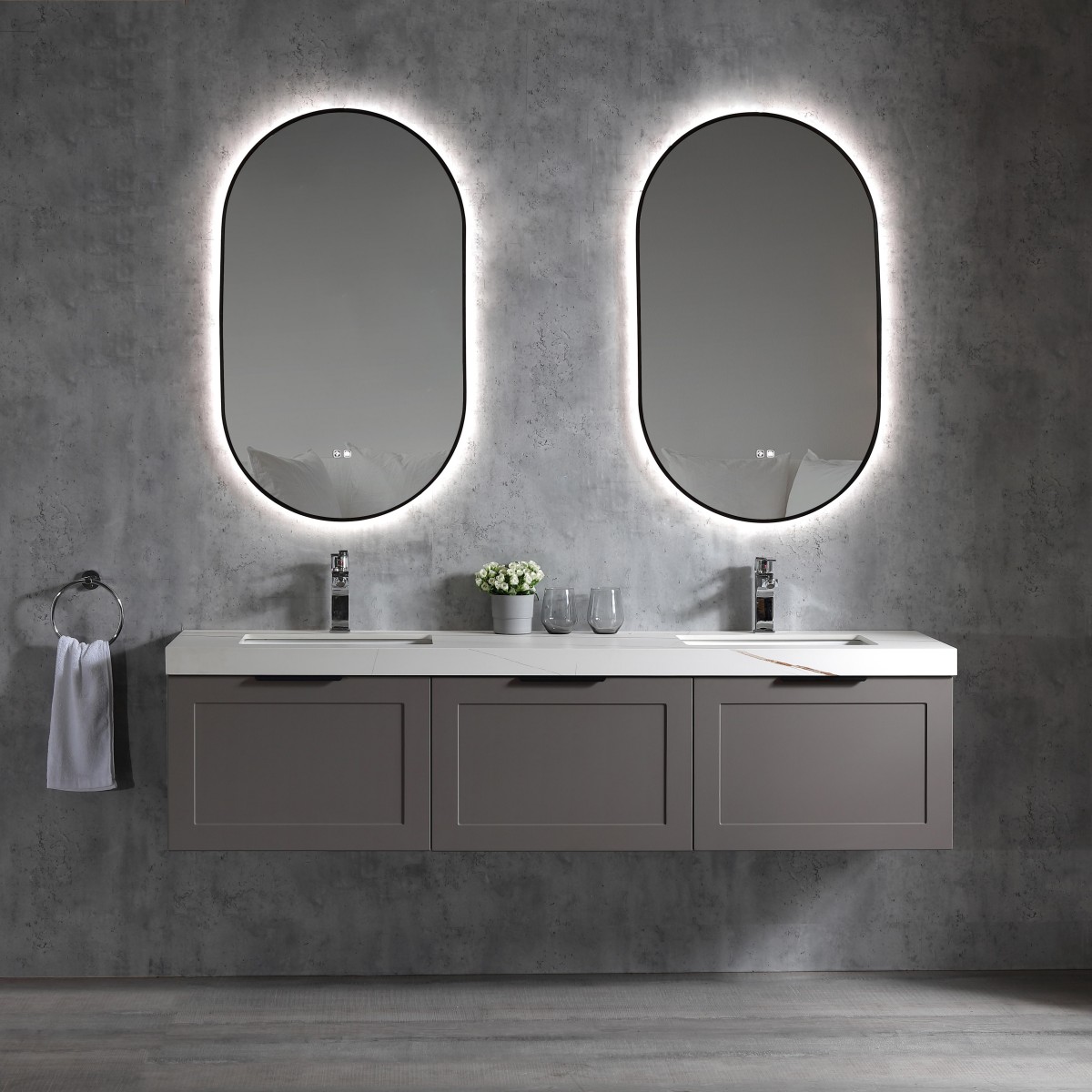
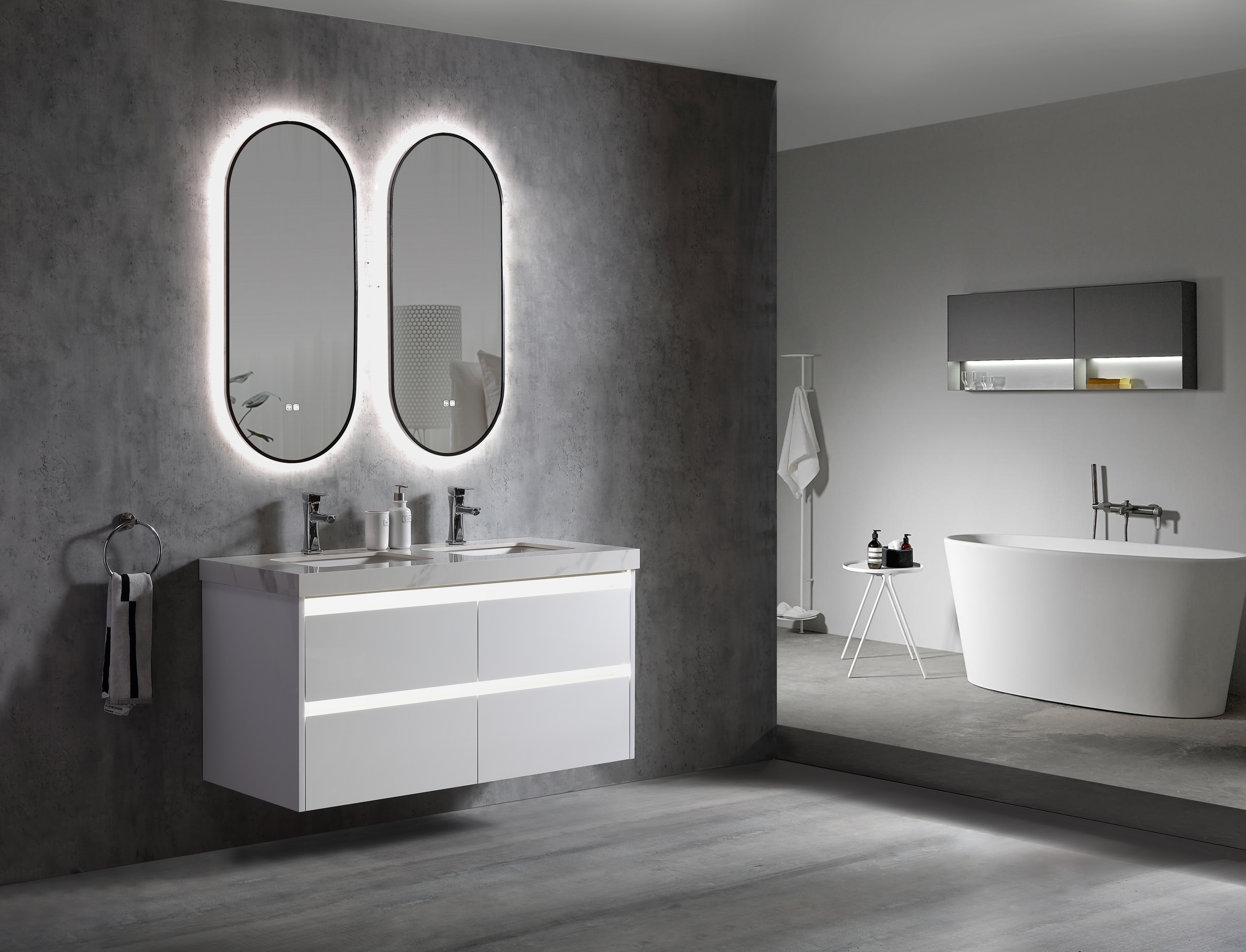
Industry experts at the recent NeoCon and Salone del Mobile exhibitions noted a distinct shift in procurement patterns. Hotel interior designers are moving away from heavy, traditional cabinetry that anchors the room to the floor, preferring instead the visual openness that a suspended unit provides. This choice is deeply strategic. In the hospitality sector, creating a sense of space and freedom is synonymous with luxury. By utilizing the Modern Floating Bathroom Vanity, designers instantly reduce visual clutter, allowing the bathroom tiles and the floor-to-ceiling windows to take center stage. The floating effect creates an illusion of a larger footprint, a psychological trick that reduces guest claustrophobia and elevates the perceived value of the suite. Furthermore, the "clean line" aesthetic inherent in this design perfectly aligns with the modern minimalist brand identity that leading hotel groups are aggressively cultivating to attract younger, Instagram-savvy travelers.
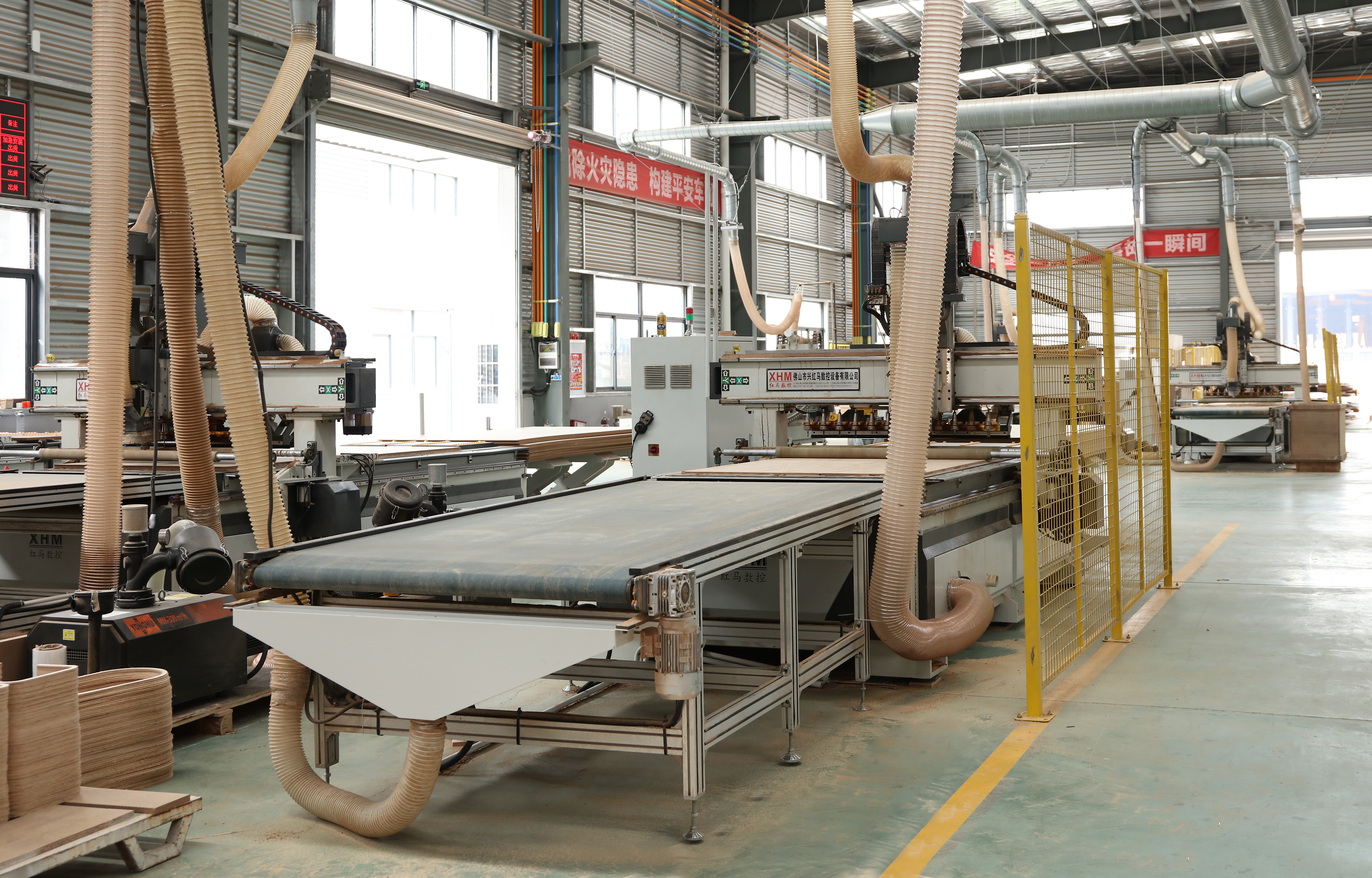
However, the adoption of this design is not merely a superficial styling choice. The material science and craftsmanship required to satisfy the rigorous demands of high-traffic commercial environments have pushed manufacturers to innovate at an unprecedented pace. Unlike residential settings, hotel bathrooms endure intense, round-the-clock usage. To meet this challenge, the latest iterations of the Modern Floating Bathroom Vanity feature revolutionary "liquid-repellent" nano-ceramic coatings applied over marine-grade plywood cores. These specialized surfaces resist water spotting, hard water stains, and even the aggressive chemical cleaning agents used by hotel housekeeping teams. The drawers are now engineered with synchronized, silent-running slide systems capable of enduring over 100,000 open-close cycles without compromising alignment. This marriage of aesthetic minimalism with industrial-grade durability is redefining the meaning of luxury—proving that true high-end design does not sacrifice longevity for beauty.
Beyond the technical specifications, the rise of this vanity style is intrinsically linked to the global "wellness economy," which is currently valued at over $5.6 trillion. Psychologists and environmental design researchers are increasingly advocating for bathrooms that evoke a "suspended state of calm." The visual phenomenon of a floating unit, combined with the thoughtful arrangement of natural elements—such as a matte ceramic vase holding dried botanicals, positioned adjacent to a matte-black faucet and a brushed-white ceramic basin—creates a sensory experience that triggers a relaxation response. When bathed in the directional, natural sunlight streaming through a nearby window, the organic wood grain of the vanity casts dynamic, ever-shifting shadows onto the adjacent walls. This interplay of light and material transforms a static piece of furniture into a living, breathing art installation. Leading hospitality chains are now hiring dedicated "lighting and shadows" designers to precisely map how sunlight interacts with these floating units throughout different times of the day, ensuring that guests experience a heightened state of visual and mental restoration during their stay.
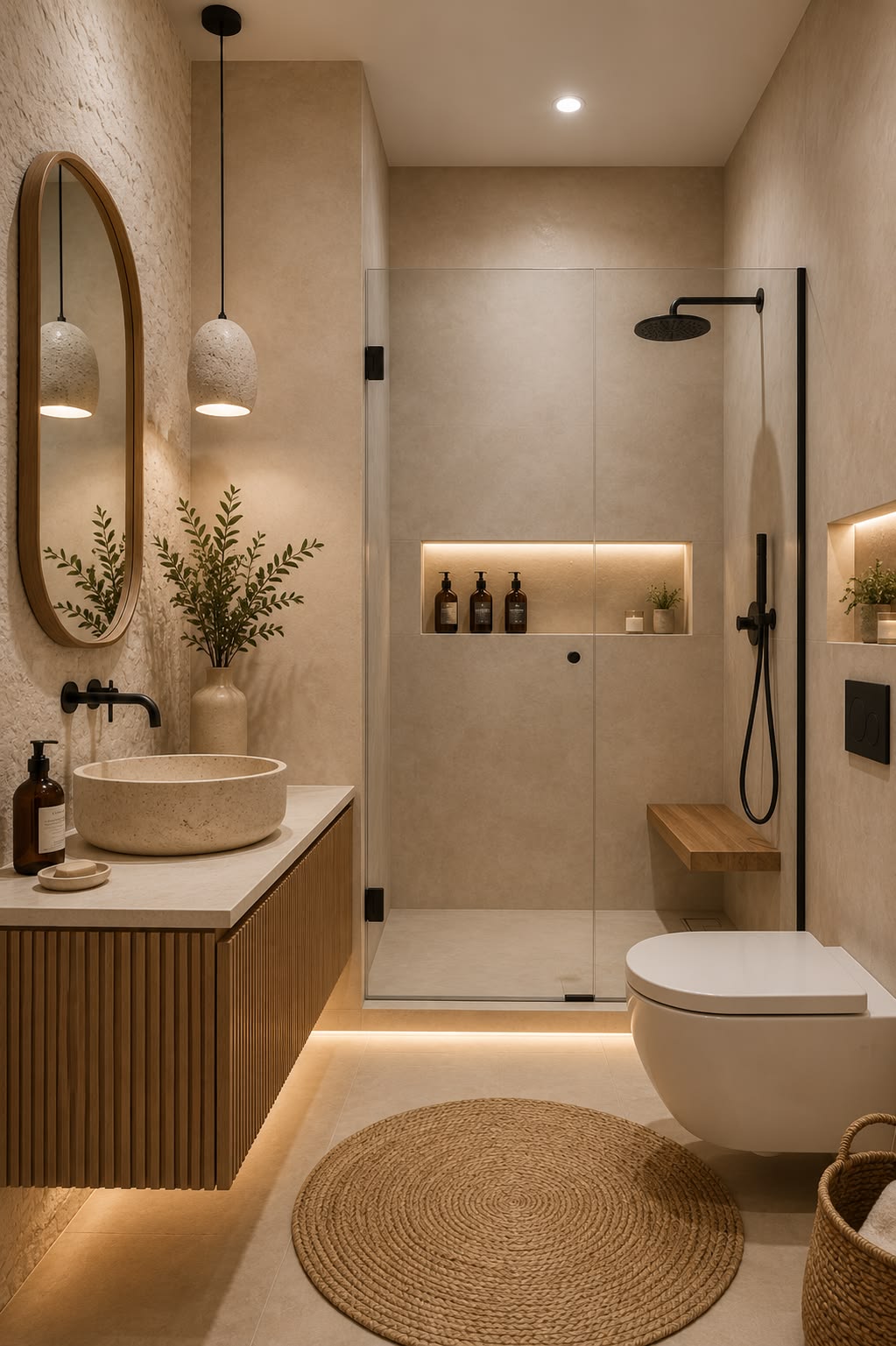
This commercial trend is having a profound spillover effect on residential real estate. Upscale homebuilders in Europe and North America are increasingly mirroring the hotel aesthetic in their model homes. The data is compelling: listings featuring a bathroom with high-quality suspended cabinetry attract 35% more online views and sell 40% faster than comparable listings with traditional floor-mounted vanities. This "hotel-at-home" movement is driving a premium market segment where customization is king. Homeowners are no longer satisfied with off-the-shelf sizes; they are demanding precise, bespoke dimensions to fit their specific architectural niches, paired with imported Italian stone countertops or sustainable bamboo veneers. The flexibility of the suspended design allows plumbers and electricians to easily access the 'underbelly' of the sink for maintenance or future upgrades, a logistical advantage that traditional built-ins cannot offer. Consequently, home renovation budgets are heavily redirecting funds toward this single element, recognizing that a superior vanity sets the definitive tone for the entire property.
As we look toward the construction forecasts for late 2026 and beyond, the trajectory is unmistakable. The era of bulky, box-like cabinets is definitively over. The future of bathroom design lies in architectural lightness, tactile warmth, and seamless functionality. Whether it is a $2,000-a-night presidential suite or a suburban family villa, the fundamental desire for a serene, airy, and beautifully crafted grooming space remains universal. Designers are unequivocally recommending this configuration not just for its current trendiness, but for its timeless ability to adapt to future technology, such as integrated smart-glass mirrors and voice-controlled faucets. The industry consensus is clear: the floating, wood-finished design has now become the definitive icon of sophisticated modern living. It elevates the mundane daily routine into a ritual of self-care, proving that the most impactful architectural statements often come from the elements we touch every single day. For any stakeholder in the property market, investing in the Modern Floating Bathroom Vanity is no longer an option—it is a necessity for staying relevant in an increasingly design-conscious world.