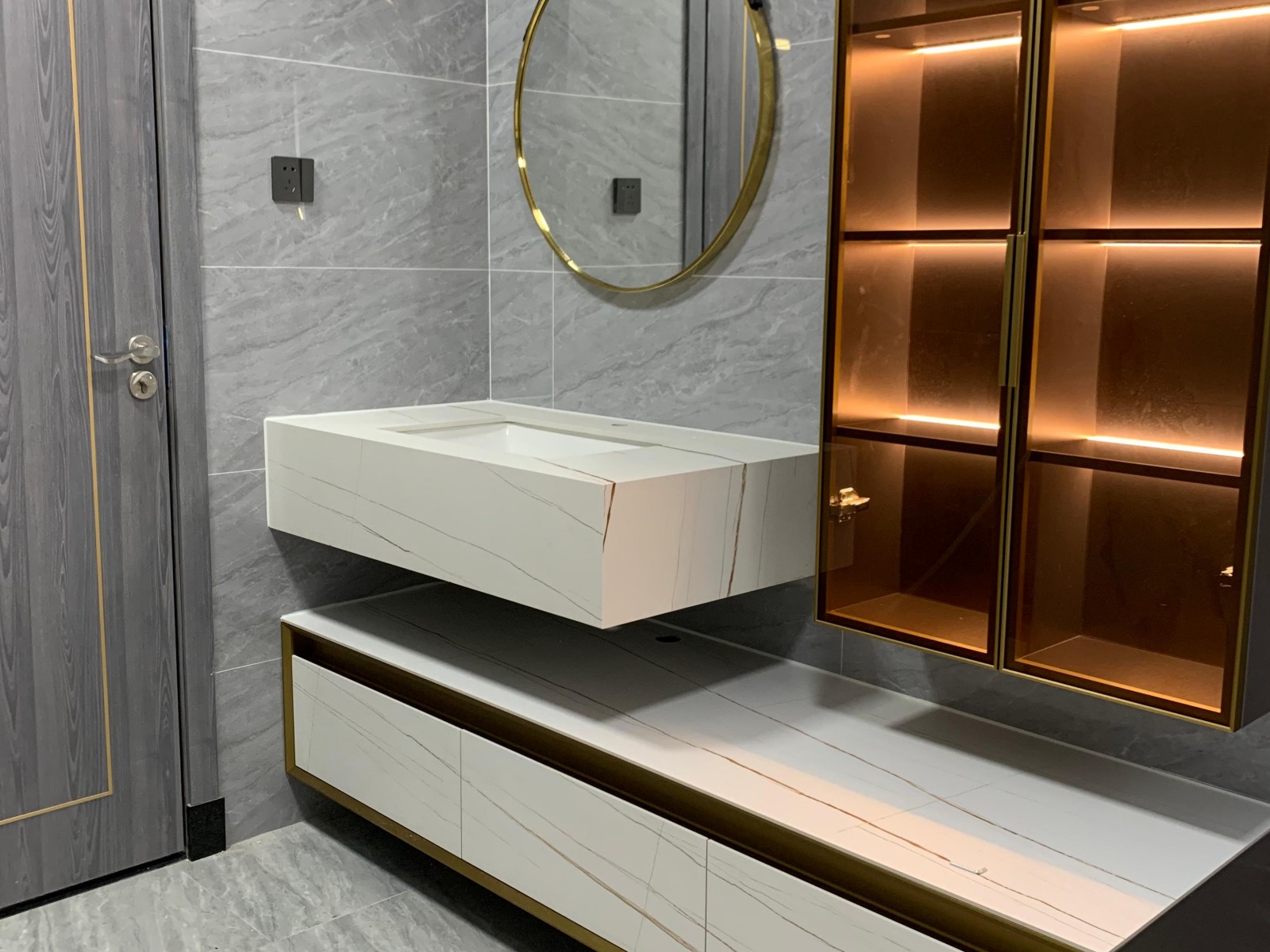
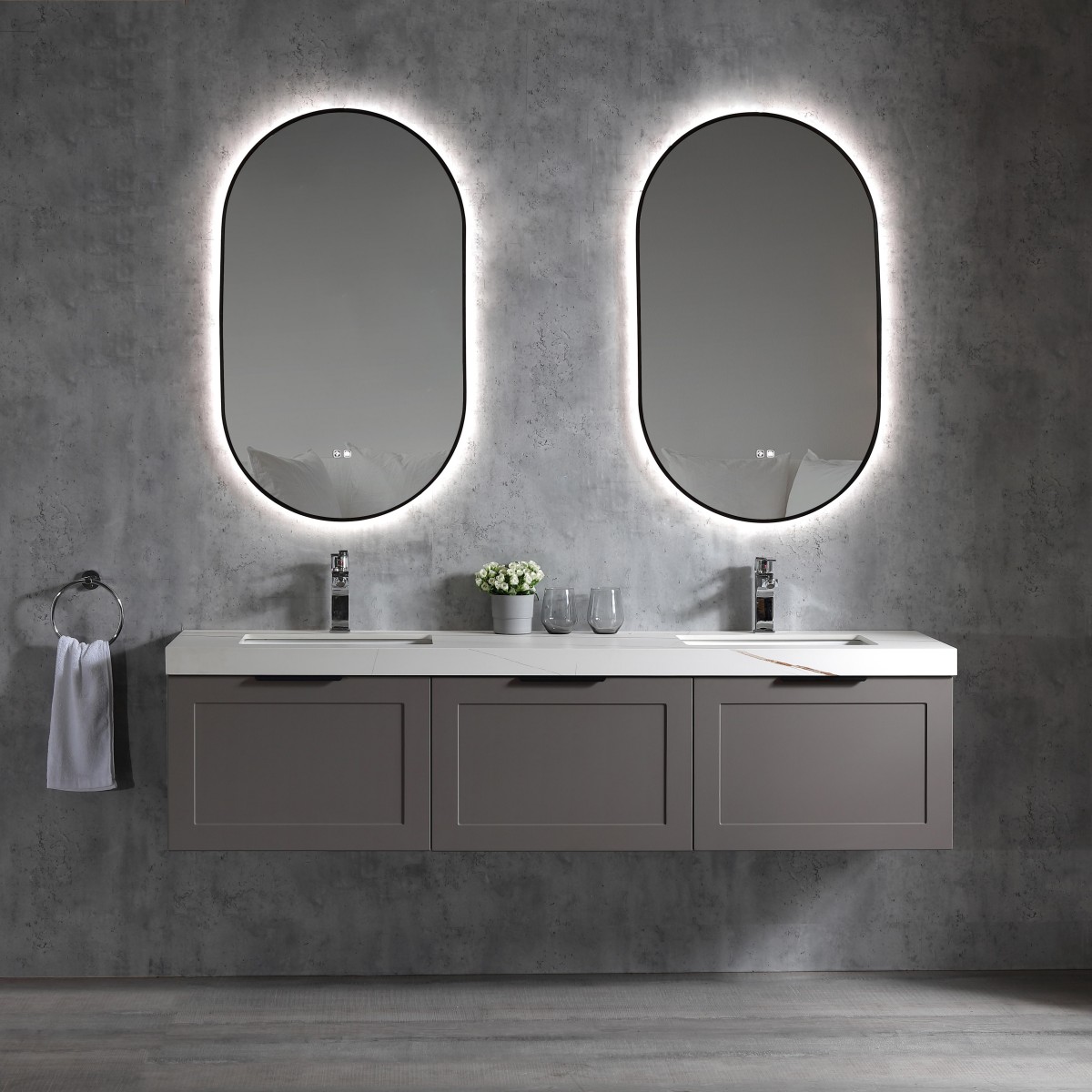
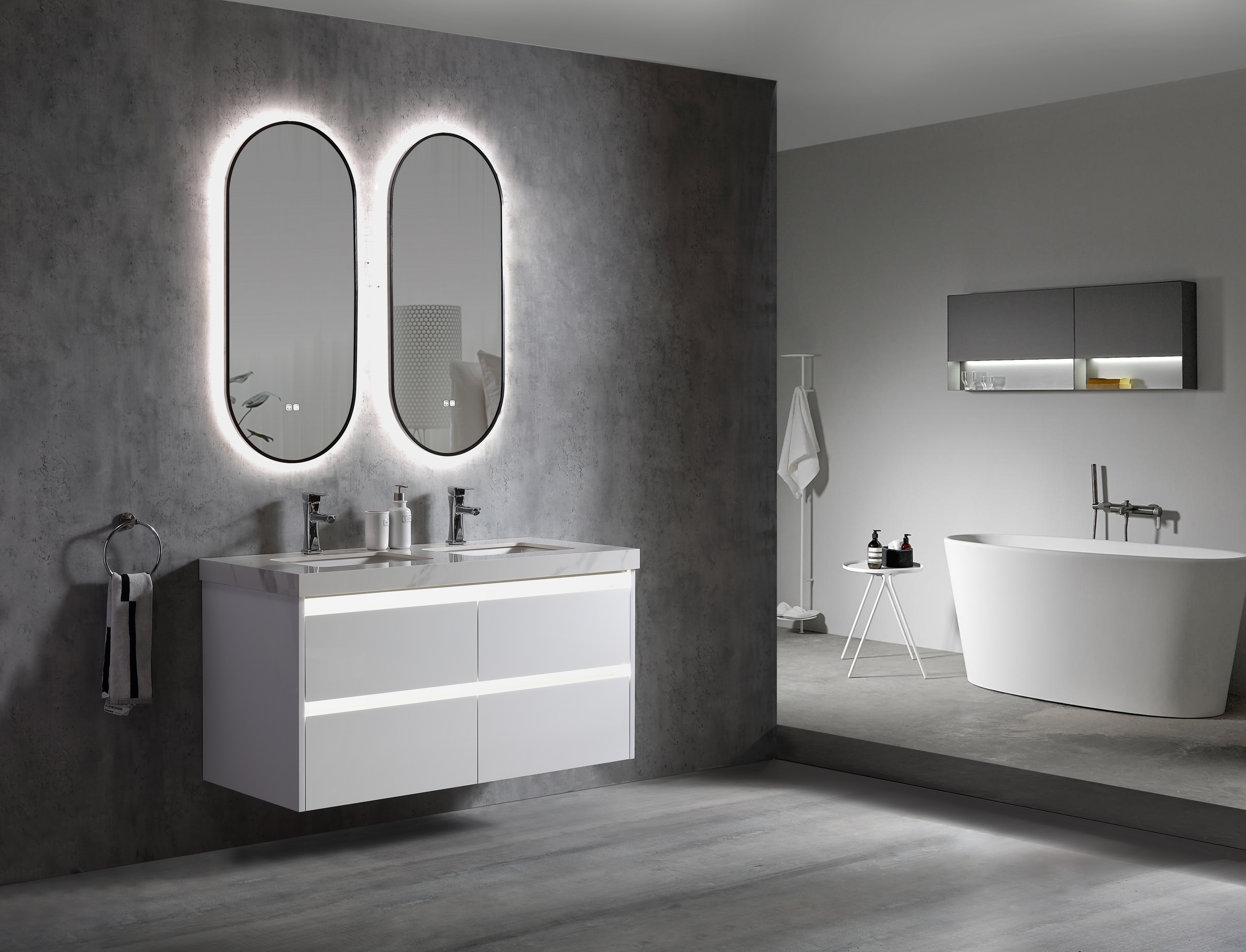
The past five years have witnessed a profound reimagining of residential interiors, yet no room has undergone a more radical transformation than the bathroom. Once a purely utilitarian afterthought tucked away at the end of a hallway, it now serves as a primary indicator of a home's sophistication and the owner's lifestyle. As global furniture trade shows close out the first half of 2026, one design element stands distinctly above the rest in terms of showroom demand, architect preference, and consumer inquiry: the Modern Floating Bathroom Vanity. This suspended unit is not merely a piece of cabinetry; it is the physical manifestation of a global shift toward intelligent space utilization and technological integration.
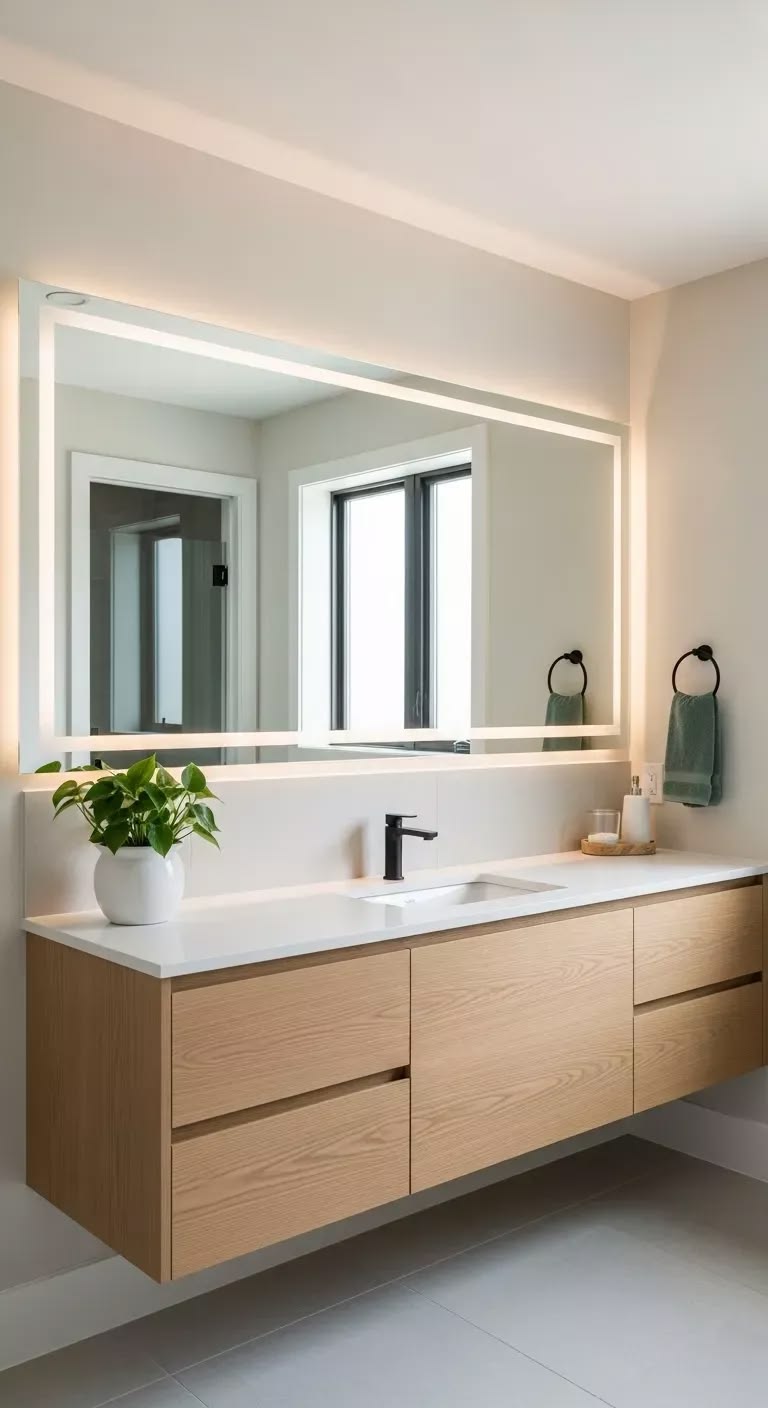
Industry analysts tracking the North American and European home improvement sectors have noted a spectacular 28% year-over-year increase in the sales of wall-mounted vanities. The driving force behind this astronomical growth is not just fashion, but a fundamental psychological shift in how we perceive our living environments. In an era of rising real estate costs, homeowners are desperate to maximize visual square footage. The heavy, floor-standing vanity units of the past inherently chopped up the visual flow of the room, creating a "bottom-heavy" look that constricted the senses. Conversely, the floating design lifts the visual weight, leaving the floor plane exposed. This architectural trick instantly makes even a modest 5x8-foot bathroom appear significantly larger, directly addressing the pain points of modern urban living. Designers across major metropolitan hubs—from New York to Tokyo—are increasingly decreeing that the solution to cramped city living begins with the adoption of the Modern Floating Bathroom Vanity.
However, the appeal of this suspended design extends far beyond spatial illusions. The year 2026 is being hailed as the era of "smart bathing," and this vanity is the central hub for technological convergence. Manufacturers are now engineering these units with fully integrated smart features that were unthinkable a decade ago. We are seeing the introduction of vanities that feature inductive wireless charging stations embedded directly into the side panels, allowing users to charge their electric toothbrushes, smart mirrors, and grooming devices without cluttering the countertop with messy cords. Furthermore, the void created under the unit is no longer wasted space; it is utilized as a sensor zone. Top-tier bathroom remodeling projects now incorporate motion-activated LED nightlights in the toe-kick area of the vanity, providing a soft, ambient glow that ensures safety during midnight visits without disturbing sleep patterns. The structural integrity required to support these electronic additions relies on advanced engineering, pushing manufacturers to utilize lightweight yet ultra-strong composite materials that guarantee the safety and durability of the Modern Floating Bathroom Vanity for decades.
Material science has also taken a revolutionary leap forward to support this bold architectural style. Gone are the days when moisture was the enemy of wooden furniture. In 2026, the global supply chain is responding to the demand for "biophilic" sustainability by introducing high-grade waterproof plywood, overlayed with FSC-certified natural oak or walnut veneers. These materials are treated with advanced nano-coatings that create a hydrophobic barrier, preventing water penetration, warping, or mold growth even in high-humidity environments adjacent to walk-in rain showers. Additionally, the drawer runners have evolved to accommodate the heavy load of ceramic basins and daily toiletries, utilizing heavy-duty, soft-close German or Italian mechanisms that guarantee silent operation and smooth tactile feedback. This combination of visual warmth, extreme durability, and eco-friendly sourcing creates a product that appeals to the environmentally conscious millennial demographic, who view their home renovations as an extension of their personal values.
The minimalist aesthetic of this vanity also invites a renaissance of customization. Unlike fixed, bulky built-ins, the floating nature of the unit allows for creative freedom in plumbing and lighting layouts. Architects are now designing symmetrical recesses in the walls above the vanity specifically to host large, frameless circular mirrors. Many of these mirrors now come equipped with integrated, adjustable color-temperature LED strips, allowing users to switch between crisp "daylight" for makeup application, "warm white" for a relaxing evening bath, and "cool blue" for a morning energy boost. The interplay of light—both from the mirror and natural sunlight streaming through adjacent windows—creates a dynamic, ever-changing visual landscape on the surrounding walls. The shadows cast by the wooden grain of the floating cabinet during different times of the day add a layer of organic, living texture to the room, breaking the sterility often found in standard modern bathrooms.
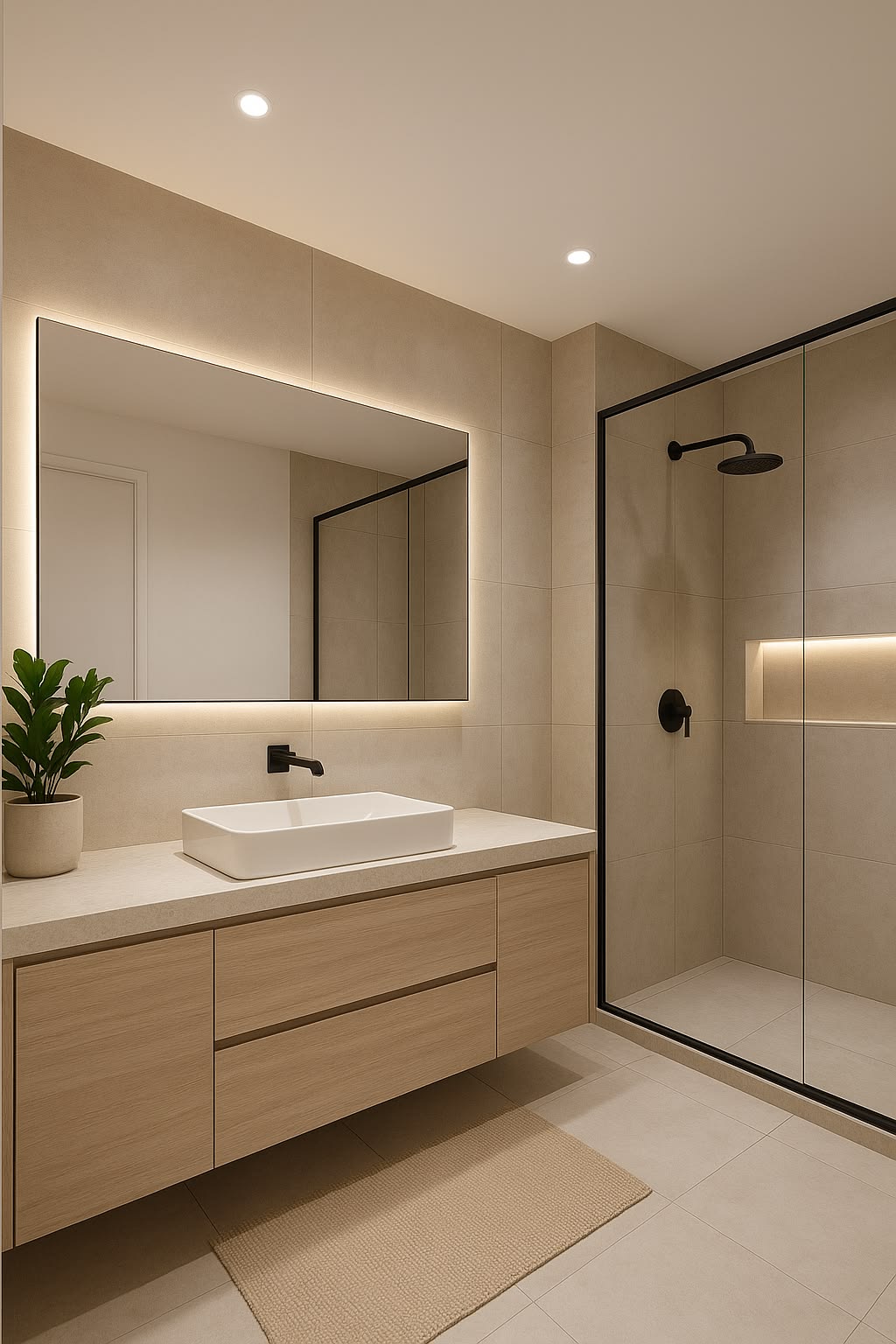
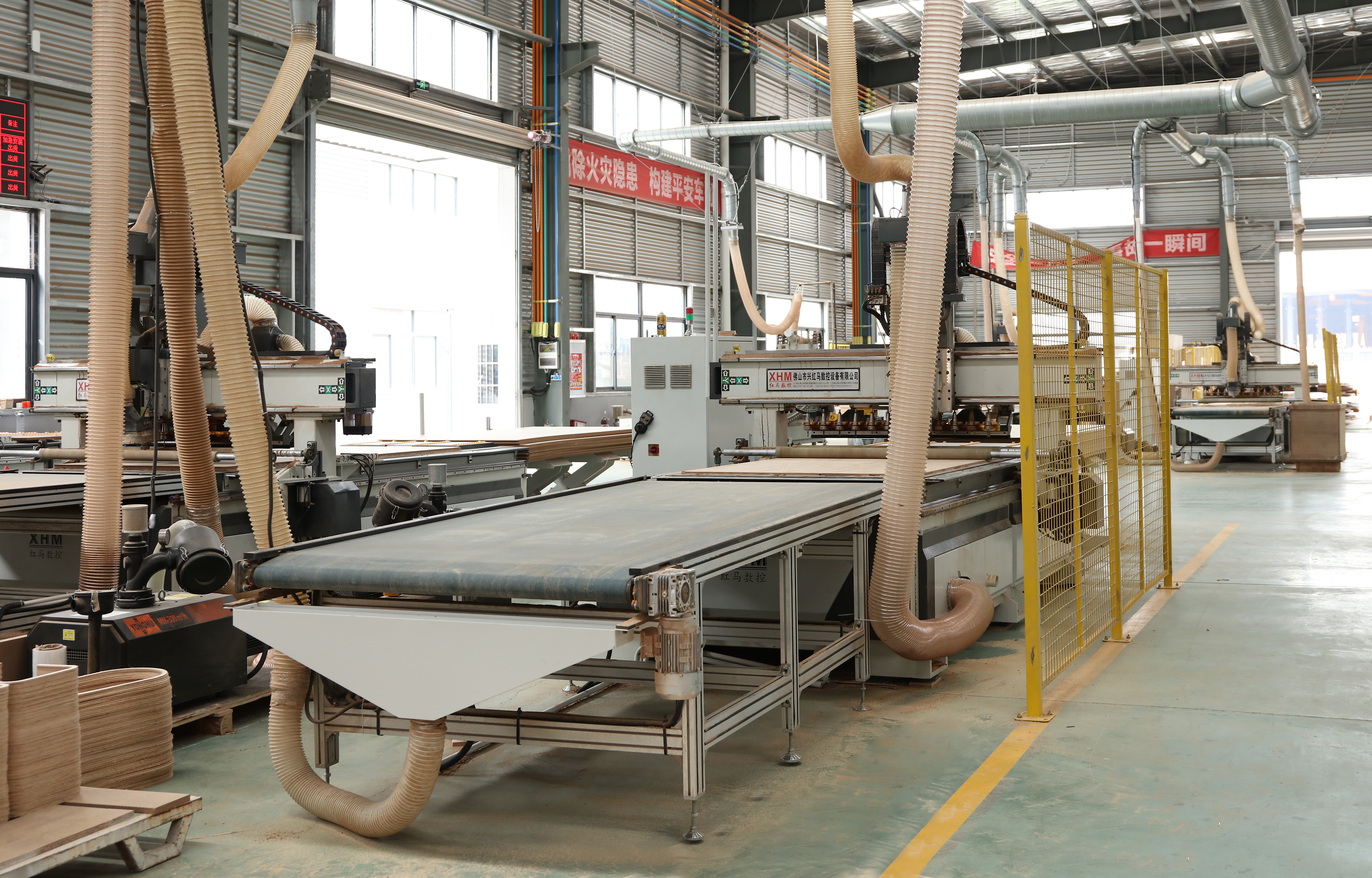
From a global trade perspective, the demand for this specific configuration is reshaping the logistics of furniture export. Suppliers in Southeast Asia and Eastern Europe are scaling up their production lines exclusively for suspended units to meet the massive demand from US-based property developers. Interior design firms are reporting that homeowners are increasingly prioritizing budget allocation toward the bathroom vanity, often at the expense of lavish living room sofas or dining tables. This signals a profound cultural change: the bathroom is now seen as a primary investment, a private oasis where one spends significant hours daily. Real estate agents confirm that a newly renovated bathroom featuring the Modern Floating Bathroom Vanity significantly shortens the time a house sits on the market, often yielding returns exceeding the renovation costs by up to 150%.
In conclusion, the global bathroom fixture market is no longer competing on basic utility; it is competing on emotional resonance and technical intelligence. The suspended wall-mounted design represents the perfect intersection of science, art, and practicality. It transforms the daily routine into a seamless interaction with a thoughtful environment. As we progress deeper into the smart-home era, the integration of clean aesthetics with hidden technology will only accelerate. For designers, developers, and homeowners looking to elevate their property's value and their daily lifestyle, embracing this elegant, space-saving solution is not merely a stylistic choice—it is a strategic one. The sleek silhouette, the durable eco-materials, and the integrated smart features ensure that the rising popularity of this unique furniture category is no fleeting trend, but a permanent fixture in the landscape of modern residential architecture. It is time to look up, and float forward.